

Termites cause quiet, expensive damage in Australian homes, often long before anyone notices. This revisit breaks down six clear warning signs that suggest it is time to call termite control services and stop the problem before structural repairs become unavoidable.
In most parts of Australia, termites stay active for much of the year, especially where warmth and moisture stick around. That is why knowing what to look for matters, even for careful homeowners.
What makes termites such a common issue in Australian homes?
Australia has several termite species that thrive around houses, fences, and gardens, particularly where timber meets soil. Suburbs with older homes, leafy blocks, and poor drainage often provide perfect conditions.
They usually enter through cracks in slabs, expansion joints, wee gaps around pipes, and garden beds built up against walls. Because the damage starts inside timber, people often need termite control services before they see anything obvious.
Are mud tubes on walls or stumps a sign they need professional help?
Yes. Mud tubes are one of the clearest signs of live termite activity, and they should not be ignored. They look like thin, dirty “tunnels” running up brickwork, piers, retaining walls, or inside subfloor areas.
These tubes protect termites from air and light while they travel between the ground and timber. When mud tubes appear, calling termite control services quickly is usually the safest option because disturbing them can push termites deeper into the building.
Is hollow-sounding timber or sagging floors a serious termite warning?
Yes. Hollow timber often means termites have eaten the inside and left only a thin outer shell. Sagging floors, spongy boards, or steps that suddenly feel less stable can point to structural timber being affected.
This is where DIY checks often fall short because the damage may extend into frames, bearers, or joists. A trained inspection and targeted treatment from termite control services can confirm the extent and reduce the risk of hidden spread.
Do blistered paint, buckling timber, or tight doors suggest termite activity?
They can. When termites damage timber, moisture and movement can create bubbling paint, warped skirting, or door frames that start sticking. These symptoms can look like normal humidity issues, which are common in coastal Australian areas.
The difference is patterns. Localised swelling near skirting boards, window frames, or wet areas can warrant a closer look. Many households book termite control services after noticing doors that suddenly will not close properly without any clear reason.
Are discarded wings or swarming termites around lights a red flag?
Yes. Swarming usually means a colony is mature enough to produce reproductive termites. People often find discarded wings on window sills, near sliding door tracks, or around outdoor lighting.
Swarmers are sometimes mistaken for flying ants, but termites typically have equal-length wings and a more uniform body shape. If a swarm occurs on the property, termite control services can assess whether it is a nearby colony, an active infestation, or a risk that calls for preventative work.
Do unexplained clicking sounds or movement in walls indicate termites?
Sometimes, yes. In quiet rooms, people may hear faint tapping or clicking in walls, especially at night. This can be soldier termites reacting to disturbance, or it can be movement within damaged timber.
While many other things can cause noises, termites are worth ruling out because the cost of waiting is high. When sound is paired with other clues, termite control services can use inspection tools to locate activity without ripping open walls unnecessarily.
Do they need help if there is moisture, leaks, or timber-to-soil contact?
Yes, because these are some of the biggest risk factors in Australia. Leaking showers, broken stormwater, poor subfloor ventilation, and garden beds piled against the house all increase termite attraction and access.
Even without visible termites, risk conditions often justify a professional inspection. Many providers of termite control services focus as much on prevention as treatment, including advice on drainage, ventilation, and barrier maintenance.
What should they do before booking termite control services?
They should avoid spraying household insecticides into suspect areas or pulling apart damaged timber. Disturbing termites can cause them to retreat and spread, making the infestation harder to track and treat.
Instead, they can note where symptoms appear, take clear photos, and keep the area accessible for an inspection. When they contact termite control services, accurate details about timing, location, and any recent building or landscaping changes can speed up diagnosis.
How do termite control services typically work in Australia?
They usually start with a detailed inspection of the home, subfloor, roof void, and exterior perimeter. Many technicians also assess risk factors like drainage, garden layout, and previous barrier systems.
Treatment depends on the site and termite species. It can include baiting systems, dusting, foam or liquid termiticides, and barrier installations or repairs. Good termite control services will also provide a plan for monitoring, because termites can return if conditions remain favourable.
How can they reduce the chance of termites coming back?
They can reduce moisture, improve ventilation, and keep timber and cellulose materials away from the home’s perimeter. Storing firewood off the ground, fixing leaks quickly, and avoiding garden beds against weep holes are simple but effective steps.
Regular inspections matter because termite pressure stays high across many Australian regions. With routine checks and timely maintenance, termite control services become a long-term safeguard rather than a last-minute rescue.
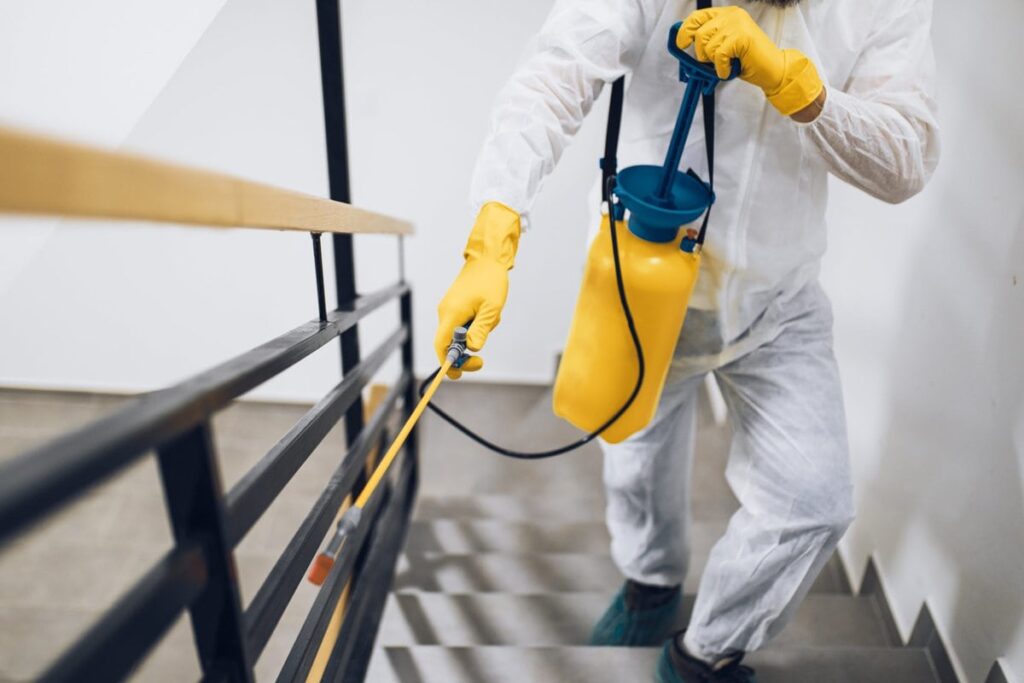
When is the right time to call for professional help?
They should call as soon as any one of the six signs appears, or whenever risk factors are building up. Termites rarely get better on their own, and delays can turn a manageable issue into major structural work.
For most households, the practical approach is early inspection, clear advice, and ongoing monitoring. That is exactly what termite control services are designed to provide, especially in Australia’s termite-prone conditions.
See Also: Pest and termite control: can you combine both services?