

Below are six practical signs that usually mean DIY is no longer enough and professional help is needed.
Is there mud tubing on walls, foundations, or timber?
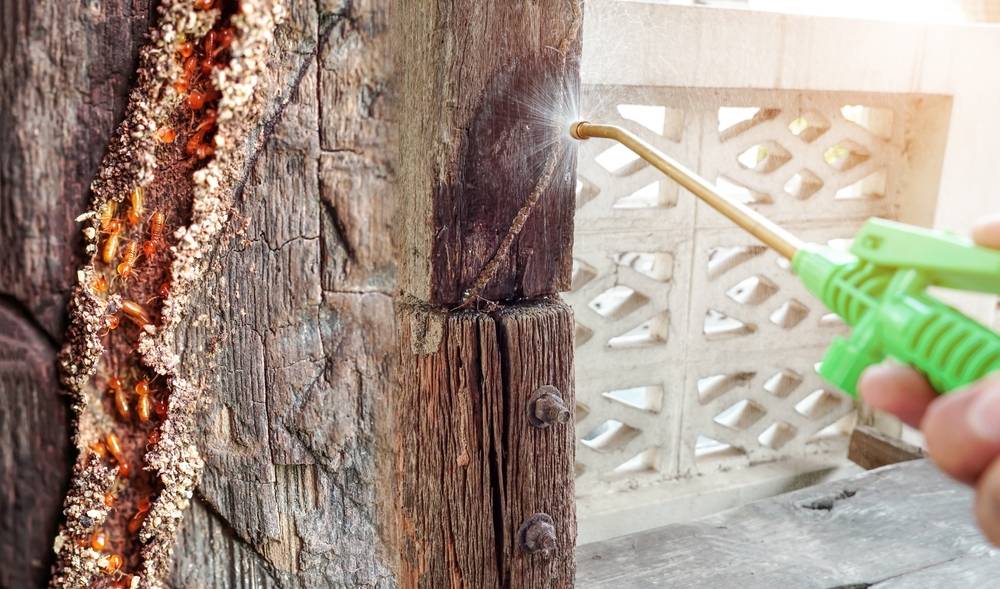
Mud tubes are one of the clearest indicators that professional termite control services may be required. They look like thin, earthy tunnels running up brickwork, concrete, piers, or timber, often in sheltered areas, and are commonly associated with subterranean termite activity.
If mud tubing is present, termites are already travelling between the nest and a food source inside the building. A professional can identify entry points, locate active routes, and apply the right barrier or baiting strategy to break the colony’s access.
Are there hollow-sounding timbers or soft spots in wood?
Timber that sounds papery or hollow when tapped can signal internal feeding. Termites consume wood from the inside out, so surfaces may look normal while structural integrity is compromised.
When this happens, the question is rarely “is it termites?” but “how far has it spread?”. Termite control services can assess load-bearing areas, check adjoining timbers, and recommend both treatment and next-step repairs if needed.
Are there discarded wings near windows, doors, or light fittings?
Piles of identical, translucent wings on sills, floors, or around light sources usually indicate a termite swarm has occurred. Swarmers shed wings after finding a place to start a new colony.
Even if the swarm came from outside, wings inside the property can suggest termites are breeding nearby or within the structure. Professionals can confirm species, assess risk, and install monitoring to stop a new colony establishing unnoticed.
Are there blistered floors, bubbling paint, or unexplained warping?
Termite activity can mimic moisture damage. Floors may lift slightly, paint may bubble, or skirting boards can warp as termites disturb timber and introduce humidity through mud workings.
These symptoms are easy to misread as a plumbing issue, meaning the infestation keeps progressing while the wrong problem is being fixed. A professional inspection can separate moisture faults from termite damage and ensure the treatment targets the real cause.
Is there frass or fine debris that keeps reappearing?
Drywood termites can leave behind frass, which looks like fine sawdust or gritty pellets near kickboards, window frames, or timber joints. If debris is cleaned away and returns, something is actively pushing it out.
This is a strong sign the colony is established inside timber rather than coming from the garden. Termite control services can locate galleries, confirm whether it is termites or another pest, and treat the affected areas properly without guesswork.
Have there been termites nearby, or has the property never been professionally inspected?
Neighbourhood history matters. If nearby properties have had termites, the risk is higher, especially where homes share similar soil conditions, moisture issues, or timber landscaping.
If a property has never had a professional termite inspection, they may be relying on luck rather than prevention. A qualified service can set a baseline, install monitoring, and recommend preventive measures such as barriers, moisture control, and timber separation from soil.
What should they expect when they call termite control services?
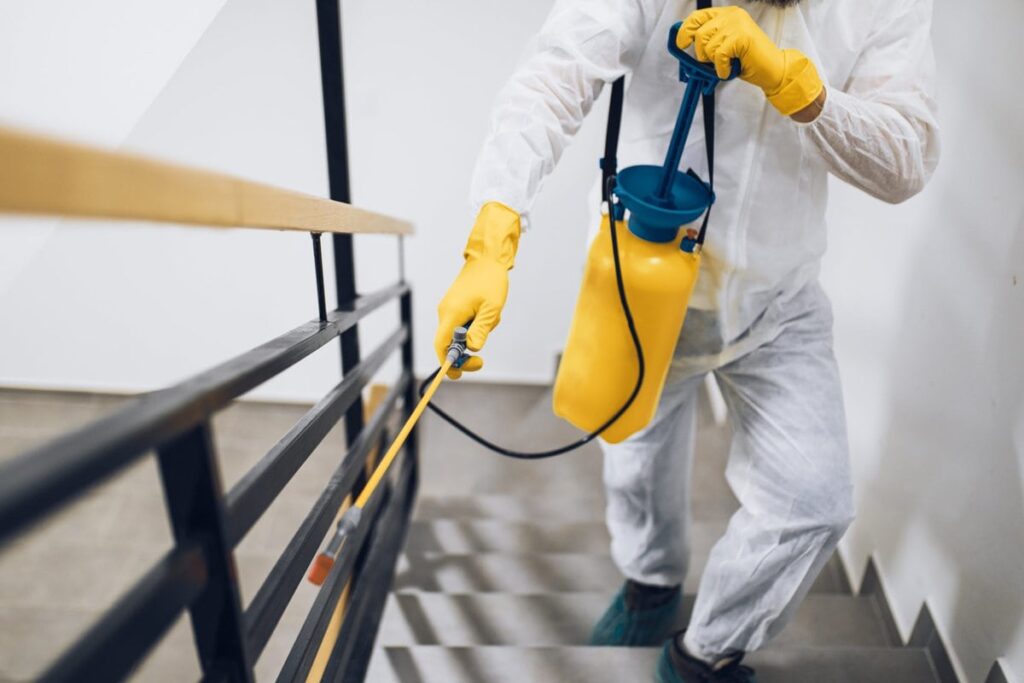
A reputable provider typically starts with a thorough inspection, then explains the evidence, the level of activity, and the likely source. Treatment may include baiting systems, chemical soil barriers, dusting, or targeted timber treatments depending on species and construction type.
They should also expect clear advice on prevention. That includes fixing moisture problems, improving subfloor ventilation, removing timber-to-soil contact, and scheduling follow-up checks. The goal is not just to “kill what’s there”, but to stop reinfestation and protect the structure long-term.
FAQs (Frequently Asked Questions)
What are the common signs that indicate a termite infestation in my property?
Common signs include mud tubing on walls or foundations, hollow-sounding or soft timber, discarded translucent wings near windows or doors, blistered floors, bubbling paint, unexplained warping of timber, and reappearing fine debris or frass. These indicators often mean termites are active and professional help is needed.
Why is professional termite control important compared to DIY methods?
Termites are persistent and can cause extensive internal timber damage before visible signs appear. Professional termite control services provide thorough inspections, identify entry points and active routes, and apply targeted treatments like baiting systems or chemical barriers. This approach effectively stops structural damage before it becomes expensive and difficult to reverse.
How can I differentiate between termite damage and moisture-related issues?
Termite activity can mimic moisture damage through symptoms like blistered floors, bubbling paint, or warped skirting boards. A professional inspection is essential to distinguish between actual moisture faults and termite damage, ensuring that treatment addresses the real cause rather than misdiagnosed plumbing problems.
What should I expect during a professional termite inspection and treatment?
A reputable termite control provider will conduct a comprehensive inspection to assess evidence of termite activity and its source. Treatment options may include baiting systems, chemical soil barriers, dusting, or targeted timber treatments depending on the species and building type. They will also advise on prevention measures such as moisture control, improving ventilation, removing timber-soil contact, and scheduling follow-up checks.
How does the presence of discarded wings inside my home relate to termites?
Discarded translucent wings near windows, doors, or light fittings typically indicate a termite swarm has occurred. Swarmers shed their wings after finding a suitable place to establish a new colony. Finding these wings inside suggests termites may be breeding nearby or within your property, warranting professional assessment and monitoring.
Why is it important to consider neighbourhood termite history for my property’s protection?
If neighbouring properties have experienced termite infestations, the risk to your home increases due to shared soil conditions, moisture levels, or timber landscaping. Properties without prior professional termite inspections may unknowingly rely on luck rather than prevention. Engaging qualified services helps establish a baseline risk assessment and implement effective monitoring and preventive strategies.
See Also: Pest and termite control: can you combine both services?