
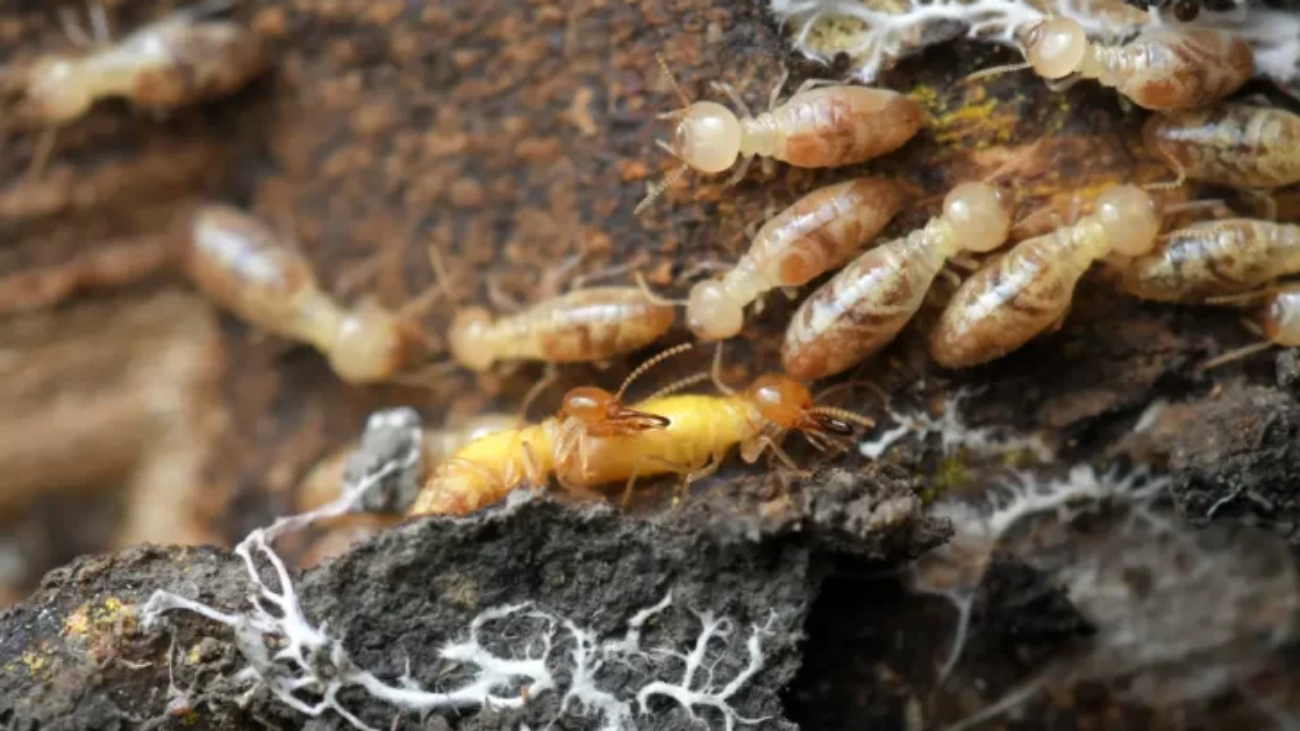
The key is to understand that termites are not “just another pest”. Termite management is usually more specialised, more regulated, and more structural-risk focused than general pest control. A combined plan can work well, as long as it does not water down termite inspection quality or skip essential follow-ups.
Can pest and termite control be combined into one service?
Many pest and termite treatment providers offer bundled services that cover common household pests along with termite inspections or treatments under one agreement. This is usually marketed as a home protection plan or annual maintenance package.
A proper bundle still treats termites as a separate category inside the plan. That means a dedicated termite inspection schedule, clear reporting, and a termite treatment pathway if activity is found.
Are termite treatments the same as general pest control treatments?
No, termite treatments are different in method and purpose, and they are not interchangeable with standard pest sprays. General pest control usually targets nuisance pests like ants, cockroaches, spiders, and rodents using surface treatments, baits, or traps.
Termite control is about protecting the structure. It commonly uses soil barriers, baiting systems, or timber treatments, and it relies heavily on inspection data, risk zones, and ongoing monitoring.
When does combining both services make the most sense?
Combining services makes sense when a property needs routine pest control and also sits in an area with known termite risk. It also helps when they want one provider responsible for scheduling, records, and follow-ups.
It can be especially practical for busy households, rental properties, and small commercial sites where administration and consistent service history matter.
What are the main benefits of using one provider for both?
The biggest benefit is coordination. One provider can align visits, reduce call-out duplication, and maintain a single service record for the property.
They may also spot connections others miss. For example, moisture issues, garden beds against walls, or leaking pipes can attract pests generally and increase termite risk specifically. A joined-up provider can recommend changes that reduce both.
What are the risks of bundling pest and termite services?
The main risk is false confidence. Some bundles include “termite cover” that is really just an inspection, or an inspection that is too quick to be meaningful.
Another risk is one-size-fits-all scheduling. General pests might need quarterly work, while termite monitoring may need a different cadence depending on season, history, and construction type. A bundle should not force an unsuitable timetable.
How should a combined plan be structured to actually work?
A good combined plan separates the termite component clearly. It should include, at minimum, a documented termite inspection at set intervals, plus defined monitoring or prevention steps based on the property’s risk.
It should also state what happens if termites are found. They should be able to see whether treatment is included, discounted, or quoted separately, and what follow-up inspections are required after treatment.
Does combining services save money, or does it just sound convenient?
It can save money, but the savings vary. Bundles often reduce the per-visit cost and cut admin overhead, and some companies price inspections more competitively when paired with ongoing pest work.
But cost should not be the main decision driver. Termite control done poorly is far more expensive than paying for a higher-quality inspection and a properly designed prevention plan.
Should they schedule pest control and termite inspections at the same time?
Sometimes, yes. Combining visits can reduce disruption and make it easier to maintain consistent records for the property.
However, timing should follow need. If pests spike in summer but termite inspections are best done annually or seasonally, the provider should be willing to schedule them separately, even within the same package.
Can a general pest spray interfere with termite detection or treatment?
It can, depending on products and placement. Overuse of sprays around potential termite entry points may disturb termite behaviour temporarily, which can complicate diagnosis if an inspection is rushed or poorly timed.
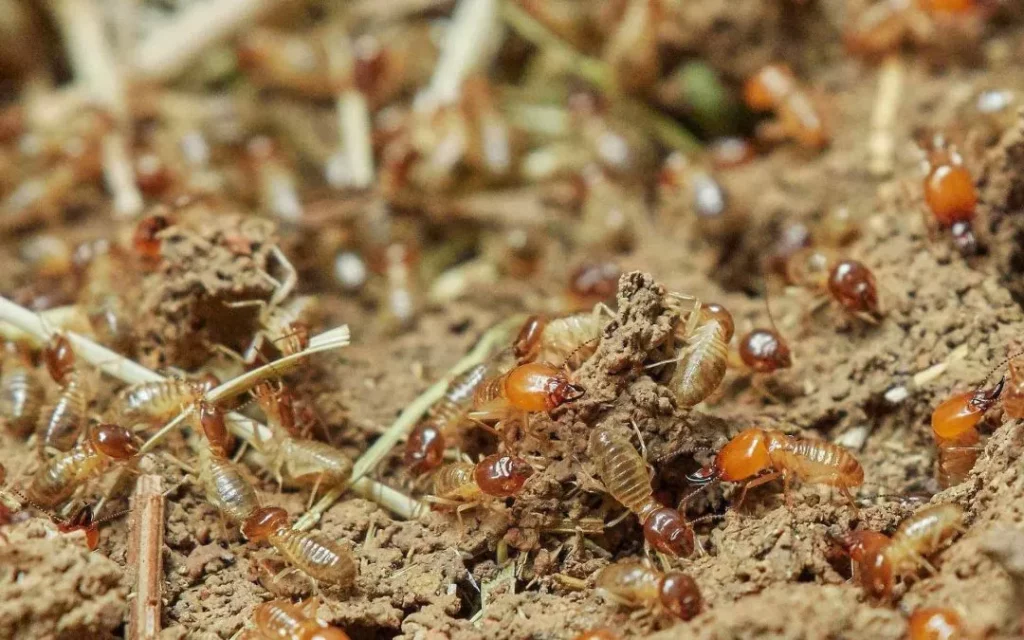
A competent provider will plan treatments so they do not compromise termite monitoring stations, barrier integrity, or inspection visibility. They should also avoid sealing or coating areas that need to remain inspectable.
What should they ask before signing a combined contract?
They should ask what the termite component includes in plain terms: inspection frequency, reporting format, and who performs it. They should also ask whether the provider follows recognised termite inspection and treatment practices and whether photographs and site diagrams are provided.
They should request clarity on exclusions. For example, whether termites in fences, garden sleepers, or detached sheds are included, and what “warranty” really means in terms of conditions and maintenance requirements.
How do they know if they need both services in the first place?
They likely need general pest control if there are recurring indoor pests, visible droppings, frequent ant trails, or seasonal infestations. They likely need termite attention if they live in a termite-prone region, the property has timber elements, there is poor subfloor ventilation, or there has been past termite activity nearby.
Even without signs, termites can be present without obvious damage. That is why termite inspections are often recommended as a preventative measure rather than a reaction.
What is the simplest takeaway for homeowners considering a combined service?
They can combine pest and termite control, and for many properties it is a practical approach. The combined service should still treat termites as a specialist category with its own inspection depth, monitoring, and response plan.
If a provider cannot explain the termite component clearly, they should treat the bundle as a red flag. Convenience is useful, but only when it comes with proper termite-grade diligence.
FAQs (Frequently Asked Questions)
Can pest and termite control services be combined effectively?
Yes, many providers offer bundled services that cover both common household pests and termites under one agreement. However, termites require specialised management with dedicated inspection schedules and treatment plans to ensure quality and safety are not compromised.
How do termite treatments differ from general pest control methods?
Termite treatments focus on structural protection using soil barriers, baiting systems, or timber treatments based on inspection data and ongoing monitoring. In contrast, general pest control targets nuisance pests like ants and cockroaches using surface sprays, baits, or traps.
When is it most practical to combine pest and termite control services?
Combining services is ideal for properties requiring routine pest control located in termite-prone areas. It benefits busy households, rental properties, and small commercial sites by streamlining scheduling, record-keeping, and follow-ups through a single provider.

What are the advantages of choosing one provider for both pest and termite control?
Using a single provider improves coordination by aligning visits, reducing duplicate call-outs, and maintaining unified service records. They can also identify underlying issues like moisture or leaks that attract both general pests and termites, recommending comprehensive solutions.
What risks should homeowners be aware of when bundling pest and termite services?
The main risks include receiving inadequate termite inspections disguised as ‘termite cover’ or unsuitable scheduling that doesn’t account for the differing needs of general pests versus termites. Bundled plans must maintain thorough termite inspection quality without a one-size-fits-all approach.
How should an effective combined pest and termite control plan be structured?
A good combined plan clearly separates the termite component with documented inspections at set intervals, defined monitoring or prevention steps tailored to property risk, and transparent treatment protocols including follow-up inspections if termites are detected.
See Also: Termite control services: 6 signs you need professional help.