The Australian property market is constantly evolving, and 2025 promises new opportunities for investors. Understanding emerging trends, technological influences, and market shifts is crucial for making informed investment decisions. This guide highlights key property investment trends in Australia that investors should monitor to maximize returns and minimize risk.
Trend 1: Rise of Regional Investments
Investors are increasingly exploring regional areas outside major cities. Regional suburbs offer affordable entry points, growing populations, and strong potential for capital appreciation. Areas near new infrastructure developments, transport links, and employment hubs are particularly attractive for long-term growth.
Trend 2: Sustainable and Eco-Friendly Properties
Sustainability is becoming a major factor in property investment. Eco-friendly homes with energy-efficient designs, solar panels, and sustainable materials are gaining popularity. Investors who prioritize green properties benefit from higher tenant demand, lower running costs, and alignment with government incentives.
Trend 3: Technology-Driven Property Management
Property technology (PropTech) is revolutionizing the way investors manage real estate. Online platforms streamline property management, rental collection, and maintenance, reducing operational costs and increasing efficiency. Smart home technology is also enhancing property value and tenant satisfaction.
Trend 4: Focus on Rental Yields
With interest rates and market fluctuations affecting affordability, rental yields are becoming a key consideration for investors. Suburbs with strong rental demand, growing populations, and proximity to schools or employment centers offer stable income streams. Buyers agents Australia can help identify these high-yielding properties.
Trend 5: Infrastructure-Led Growth
Infrastructure development, including new roads, railways, hospitals, and shopping centers, drives property demand and capital growth. Investors are targeting suburbs near major infrastructure projects to secure long-term growth before prices increase. Tracking government and private sector projects is crucial for strategic investment planning.
Trend 6: Diversification Across Property Types
Investors are diversifying portfolios to reduce risk and maximize returns. Residential, commercial, and mixed-use properties provide balanced income and growth potential. Emerging suburbs, regional areas, and niche markets such as student housing or retirement villages are becoming popular choices.
Trend 7: Impact of Foreign Investment
Foreign investment continues to influence property demand, particularly in metropolitan areas. Investors need to consider how international buyers affect competition, pricing, and rental markets. Professional guidance from property advisors and buyers agents ensures strategic positioning in a globally influenced market.
Trend 8: Short-Term Rentals and Alternative Investment Models
Short-term rental platforms and alternative investment strategies are shaping the market. Investors are exploring Airbnb-style rentals, co-living arrangements, and fractional ownership models. Understanding local regulations and tenant demand is essential to capitalize on these opportunities without risks.
Trend 9: Government Policies and Market Regulations
Government regulations, taxes, and incentives play a major role in property investment. Staying informed about foreign investment rules, stamp duty surcharges, negative gearing policies, and first-home buyer incentives helps investors make compliant and profitable decisions.
Trend 10: Importance of Professional Guidance
Partnering with professional advisors and buyers agents Australia ensures investors navigate complex markets effectively. Advisors provide market insights, financial planning, risk assessment, and access to off-market opportunities, enhancing the likelihood of long-term success.
Conclusion
The future of property investment in Australia in 2025 is shaped by regional growth, sustainability, technology, infrastructure, rental yields, diversification, foreign investment, short-term rentals, and regulatory changes. By monitoring these trends and leveraging professional guidance, investors can make informed decisions, maximize returns, and build long-term wealth in the evolving property market.
FAQs
What are the key property investment trends in Australia for 2025?
Trends include regional growth, sustainable homes, PropTech, infrastructure-led growth, rental yields, diversification, foreign investment, and short-term rentals.
How can investors leverage infrastructure projects?
Invest in suburbs near new transport links, hospitals, or shopping centers to benefit from long-term capital growth.
Why is professional guidance important in 2025?
Property advisors and buyers agents provide market insights, off-market opportunities, and financial strategies to maximize returns and reduce risks.
Are sustainable properties profitable for investors?
Yes, eco-friendly homes attract tenants, lower operating costs, and often qualify for government incentives, enhancing returns.
How Can You Identify Termite Damage on Trees Before It Spreads in Thornleigh?
Early identification of termite damage on trees can protect your property from extensive structural harm and costly repairs. Arborist Thornleigh professionals specialise in detecting subtle signs of infestation before colonies establish themselves throughout your landscape.
Why is it Difficult to Detect Termite Damage?
Termites work silently within tree trunks and branches, making visual detection challenging for untrained eyes. Certified arborists use systematic inspection techniques to spot warning signs that homeowners typically miss. Their expertise in termite damage identification ensures problems are caught at manageable stages.
The Ideal Conditions for Termite Activity in Thornleigh
The leafy suburbs of Thornleigh create ideal conditions for termite activity, with mature trees and timber structures providing abundant food sources. A qualified Arborist Thornleigh residents trust can identify early signs of termite infestation and recommend targeted treatments before the damage spreads. Regular professional assessments by an experienced Arborist in Thornleigh help prevent termite activity from affecting healthy trees and nearby buildings, preserving both your garden’s aesthetic appeal and your property’s market value.
What Are the Warning Signs That Your Tree May Be Infested with Termites?
Early signs of termite infestation can be detected by tapping on tree trunks and listening for a hollow sound, which indicates that termites have created tunnels inside the wood. While the outer bark may appear normal, the interior structure is being damaged.
Symptoms of termites in trees can vary, but they generally exhibit specific features:
Frass accumulation – small piles of pellet-like droppings resembling sawdust near the tree base
Blistering or darkening of bark surfaces where moisture has penetrated damaged areas
Unexplained cracks running vertically along trunk sections
Soft, spongy wood that crumbles when probed with a screwdriver
In Thornleigh, certain types of trees are more susceptible to termite infestations. Native eucalypts and commonly planted liquidambars show distinct signs. Eucalypts often display kino veins (dark resinous streaks) near where termites enter, while liquidambars experience premature leaf drop on branches affected by termites.
The humid climate of Thornleigh during summer months creates ideal conditions for termites to thrive. This makes it crucial for tree owners to conduct regular visual inspections, especially between November and March when termite colonies are most active and expanding rapidly.
How to Identify Mud Tubes, a Clear Sign of Termites, on Your Trees
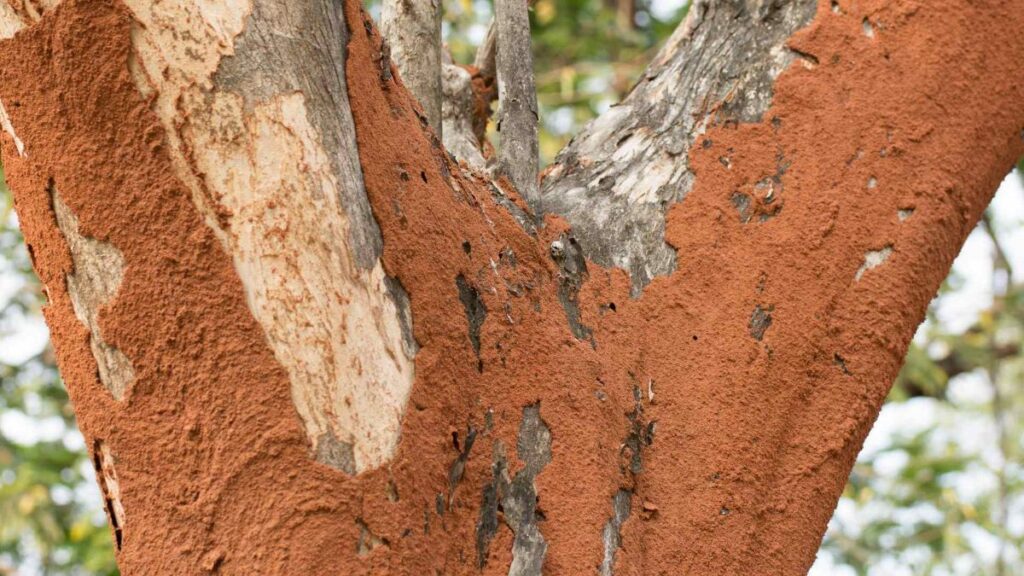
Termite mud tubes are pencil-width tunnels made from soil, wood particles, and termite saliva that protect these pests as they move between their colonies and food sources. These protective highways shield termites from predators and help maintain the moisture levels they need to survive.
Where to Look for Mud Tubes on Trees
Mud tubes on trees usually appear as brown, earthen pathways running vertically along the trunk or across exposed roots. Start your inspection at ground level where tubes most commonly originate, checking the base of the tree thoroughly. Use a torch to illuminate shadowed bark crevices where tubes blend into darker wood surfaces.
How to Inspect for Mud Tubes
Run your hands along the trunk’s surface to feel for raised, crusty lines that indicate tube presence.
Use a magnifying glass to spot smaller exploratory tubes that termites create when scouting new feeding areas.
Check behind loose bark sections and within natural tree hollows where termites often build hidden passages.
Common Tree Species Affected by Mud Tubes
Eucalyptus and native Australian species in Thornleigh often show mud tube activity on their lower trunks, especially after rainfall when termites expand their foraging networks. Break open a suspected tube—active infestations reveal pale, soft-bodied termites inside.
Why Are Winged Termite Swarmers a Cause for Concern When It Comes to Tree Health?
Termite swarmers signal an established colony ready to expand. These reproductive termites emerge when a mature colony reaches capacity, typically numbering in the thousands. Their presence around your trees means an active infestation has already caused significant hidden damage beneath the bark.
Winged termites appear during specific conditions in Thornleigh:
Spring and summer months (September to February) after rainfall
Near outdoor lighting at dusk or early evening
Around tree bases where moisture accumulates
Close to mulched garden beds surrounding affected trees
The swarmers themselves don’t cause damage, but they indicate a thriving colony actively consuming wood. A single sighting often represents hundreds more termites working unseen within tree trunks and root systems. Arborist Thornleigh how to identify termite damage before it spreads becomes critical at this stage, as professional assessment can determine infestation extent and prevent colony establishment in healthy nearby trees. Discarded wings near tree bases confirm successful mating pairs have already begun forming new colonies.
How Does Termite Damage Impact the Overall Well-Being of Your Trees?
Termite damage directly compromises tree vitality by destroying the vascular tissue responsible for transporting water and nutrients throughout the plant. As these wood-eating pests consume the inner layers of bark and sapwood, trees begin displaying tree stress signs including yellowing or wilting foliage, stunted growth, and progressive branch dieback from the crown downwards.
The termite impact on trees becomes particularly severe when subterranean colonies establish themselves around root systems. These underground populations feed on structural roots, weakening the tree’s anchor system whilst simultaneously blocking nutrient pathways. Affected trees may develop:
Premature leaf drop during growing seasons
Thinning canopy with sparse foliage
Brittle branches that snap easily
Visible lean or instability
Thornleigh’s eucalyptus and native species prove especially vulnerable when termites hollow out trunk sections, creating dangerous structural weaknesses. Trees may appear healthy above ground whilst extensive damage progresses unseen below the soil surface, making professional arborist assessment essential for accurate diagnosis.
When Should You Seek Professional Help from an Arborist in Thornleigh Regarding Termite Issues?
You should contact a Thornleigh arborist termite inspection specialist immediately when you notice hollow-sounding wood, visible mud tubes, or unexplained structural weakness in your trees. These signs demand urgent professional termite assessment to prevent irreversible damage.
Specific scenarios requiring expert intervention include:
Discovery of winged termites swarming near your trees during spring or summer months
Presence of frass accumulation at the tree base or in bark crevices
Sudden decline in tree vitality despite adequate watering and care
Multiple trees showing simultaneous stress symptoms across your property
Visible cracks or holes appearing in previously healthy trunks
Certified arborists possess specialised knowledge of Thornleigh’s prevalent termite species, including subterranean varieties that attack from below ground. Their training enables them to distinguish between termite damage and other wood-boring pest activity, ensuring accurate diagnosis. They use advanced detection equipment and understand seasonal behaviour patterns unique to the local area, allowing them to identify hidden infestations before they compromise structural integrity or spread to neighbouring trees and structures.
In such cases, it’s crucial to remember that not all signs of distress in trees are due to termite infestations. Some symptoms may be indicative of other underlying issues. For instance, the EPA provides a comprehensive guide on various factors that can affect tree health, which could be useful for homeowners in identifying the root cause of their tree problems before jumping to conclusions about termite damage.
What Treatment Options Do Arborists Recommend for Managing Termite Infestations in Trees?
Professional arborists in Thornleigh typically recommend targeted pesticide applications directly to affected areas of the tree, creating a chemical barrier that eliminates active colonies. This method works best when applied by certified professionals who understand proper dosage and application techniques for different tree species.
Another effective approach is the installation of bait stations around the perimeter of infested trees. These stations contain slow-acting toxins that worker termites carry back to their colony, gradually eliminating the entire population including the queen.
Successful arborist termite control requires combining these termite treatment options with regular monitoring schedules. Quarterly inspections help detect new activity before it becomes widespread, particularly important in Thornleigh’s climate where termites remain active year-round.
Arborists may also recommend soil treatments around the tree’s root zone to prevent subterranean termites from accessing the trunk. This creates a protective chemical barrier in the ground that repels or kills termites attempting to reach your trees from nearby timber sources or neighbouring properties.
How Can Early Intervention by Arborists Help Preserve Both Your Trees And Property Value Over Time?
Protecting your property value starts with quick detection and treatment of termites. Taking immediate action stops structural damage that could make trees unstable and ruin the appearance of your landscape, which is important for maintaining Thornleigh’s attractive leafy look that draws in buyers.
Regular professional inspections are actually cost-saving investments rather than expenses you incur after something goes wrong. Arborists trained in preventing termite damage can spot threats before they turn into expensive removals or decrease the value of your property. If a termite infestation goes unnoticed, it can spread from one tree to the wooden structures of your property, potentially lowering sale prices by thousands.
The financial benefits go beyond just controlling immediate damage:
Maintained kerb appeal through healthy, termite-free trees
Reduced emergency treatment costs compared to crisis interventions
Documentation of proactive care that reassures potential buyers
Prevention of spread to neighbouring properties and structures
Arborist Thornleigh how to identify termite damage before it spreads services offer expertise that safeguards both your natural assets and real estate investments. By scheduling annual inspections, you can ensure early detection when treatment options are still affordable and effective.
FAQs About Identifying and Preventing Termite Damage in Thornleigh Trees
1. What are the first signs of termite damage on trees in Thornleigh? Early signs include hollow-sounding wood, small piles of sawdust-like frass, blistered bark, and vertical cracks along the trunk. 2. Why is termite damage difficult to detect early? Termites feed within the tree’s interior, leaving the outer bark intact. Their hidden tunnels make infestations hard to notice without professional inspection. 3. Where should I look for mud tubes on trees? Check the tree’s base, exposed roots, and lower trunk for brown, raised, soil-like tubes—clear evidence of active termite movement. 4. What does the presence of winged termites mean? Winged swarmers indicate a mature colony nearby. Seeing them around trees or lights after rain suggests termites are expanding their territory. 5. How do termites affect a tree’s overall health? They destroy the inner wood and root system, disrupting nutrient flow and causing leaf drop, branch dieback, and structural instability. 6. When should I call an arborist for a termite inspection? Contact a certified Arborist Thornleigh expert as soon as you notice hollow wood, mud tubes, discarded wings, or unexplained tree decline. 7. What treatments do arborists use to control termites in trees? They apply targeted chemical treatments, install baiting systems, and use soil barriers to eliminate colonies and prevent reinfestation. 8. Can termite infestations spread to nearby structures? Yes. Left untreated, termites can migrate from trees to wooden fences, sheds, and homes, causing costly structural damage. 9. How does early detection protect property value in Thornleigh? Quick intervention preserves healthy trees, prevents landscape damage, and safeguards your home’s market value by avoiding large-scale infestations.
What Does Balancing Light and Shade Mean in Tree Care?
Balancing light and shade refers to managing a tree’s canopy structure so sunlight reaches inner branches and understory plants whilst maintaining adequate shade coverage. This equilibrium ensures trees photosynthesize efficiently, develop strong structures, and contribute to a comfortable landscape environment.
Expert pruning achieves this balance by selectively removing branches to control canopy density. An Arborist Roseville professional understands how strategic cuts influence light distribution throughout the tree and surrounding areas. The goal isn’t simply removing foliage—it’s creating optimal conditions for tree vitality.
Roseville’s Mediterranean-influenced climate presents specific challenges:
Hot summers demand shade for cooling outdoor spaces
Native and ornamental species each need tailored approaches
Balancing light and shade through certified arborist services protects tree health whilst enhancing property aesthetics. Proper canopy management prevents disease by improving air circulation, reduces storm damage risk through better weight distribution, and ensures sunlight reaches lawns and garden beds below.
How Can Pruning Techniques Optimize Light Penetration and Canopy Density Management?
Crown thinning is the main technique used to improve light penetration while keeping trees healthy. This method involves carefully removing branches from different parts of the canopy, creating openings that allow sunlight to pass through while still maintaining the tree’s natural shape and structure.
Certified arborists use various targeted methods to effectively manage canopy density:
Selective branch removal focuses on interior branches that compete for space and resources
Crown raising removes lower branches to increase light reaching plants at ground level
Directional pruning guides growth patterns to optimise light distribution in specific areas of the landscape
Structural pruning addresses the “3 C’s” – crossing, competing, and crowded branches
The benefits of pruning go beyond just managing light. Proper control of canopy density promotes air circulation, reducing moisture buildup that often leads to fungal diseases. Each cut serves a dual purpose: improving light access while also strengthening the tree’s structure.
Arborists calculate how much foliage needs to be removed, usually limiting thinning to 15-25% of the canopy in one session. This careful approach prevents stress on the tree while still achieving significant improvements in light penetration. Dense canopies in Roseville’s Mediterranean climate can trap heat and humidity, creating conditions that are favourable for pests and diseases.
It’s important to consider the relationship between canopy density and photosynthesis. Removing too much foliage can harm the tree’s ability to produce energy, but keeping growth overly dense blocks sunlight from reaching inner leaves. Professional arborists find this balance by using their knowledge about different species and precise cutting techniques that respect each tree’s unique growth patterns and environmental needs.
When Is the Best Time to Prune Trees in Roseville for Optimal Light and Shade Balance?
Winter pruning and early spring pruning are the best times to achieve the perfect balance of light and shade in Roseville. During these periods when trees are not actively growing, they experience minimal stress from cutting. This allows arborists to have a clear view of the branch structure without any leaves blocking their sight, enabling them to make precise decisions about which limbs to remove.
Advantages of Pruning During Dormancy
The dormant season offers several benefits when it comes to deciding when to prune:
Trees conserve energy during winter, redirecting resources to healing wounds rather than supporting active growth
Bare branches reveal crossing, competing, or crowded limbs that compromise light distribution
Reduced sap flow minimises bleeding in species susceptible to excessive moisture loss
Wounds seal more effectively before the growing season begins
Importance of Pest Risk Reduction
Pest risk reduction is another important factor in choosing the right time to prune. Many destructive insects are inactive during the colder months, which greatly reduces the chances of infestation through fresh cuts. Beetles, borers, and other pests that typically attack wounded tissue remain dormant or absent during winter.
Minimising Disease Threats
Diseases also pose less of a threat during dormancy. Fungal spores spread less easily in cold, dry conditions compared to warm, humid periods. By pruning before spring growth begins, we can prevent pathogens from entering vulnerable tissue when trees are most susceptible to infection. This protects our investment in professional tree care.
How Do Certified Arborists Determine the Right Pruning Approach for Each Tree Species?
Tree assessment forms the foundation of every pruning decision. Certified arborists begin by evaluating the tree’s current health, structural integrity, and growth patterns before making any cuts. This comprehensive examination reveals potential issues that might not be visible to untrained eyes.
Species-specific pruning requirements vary dramatically between different tree types. An oak responds differently to pruning than a eucalyptus or ornamental flowering tree. Arborists consider each species’ natural growth habit, wood density, and healing capacity when planning their approach. For detailed guidelines on tree maintenance along roadsides in Florida, which can provide insight into species-specific needs.
Key Factors in Determining the Right Pruning Method
Key factors in determining the right pruning method include:
Tree age and maturity level – Young trees need structural pruning whilst mature specimens require maintenance cuts
Current canopy density – Dense canopies may need thinning whilst sparse growth requires careful selective pruning
Branch architecture – Natural branching patterns dictate which limbs to remove or retain
Health status – Diseased or stressed trees demand gentler intervention
Location and purpose – Trees near structures or power lines need different treatment than those in open spaces
Seasonal growth patterns – Some species tolerate heavy pruning whilst others require minimal intervention
The arborist’s expertise in balancing light and shade with expert pruning ensures each tree receives customised care. This individualised assessment prevents over-pruning damage whilst achieving optimal light distribution throughout the canopy. Proper species identification allows arborists to predict how the tree will respond to specific cuts, ensuring long-term health and structural stability.
For more comprehensive information on tree pruning techniques, including scientific insights and practical advice, refer to this resource.
What Are the Key Pruning Techniques Used by Professionals to Achieve a Harmonious Balance of Light and Shade?
Professional tree surgeons use crown thinning as their main method for optimising light distribution throughout a tree’s canopy. This technique involves selectively removing specific branches to increase light penetration and air circulation while preserving the tree’s natural shape and structural integrity.
How Crown Thinning Works
Crown thinning targets interior branches strategically, creating openings that allow sunlight to filter through multiple canopy layers. The technique reduces density without compromising the tree’s protective outer shell, ensuring the bark remains shielded from sudden sun exposure that could cause damage.
The 3 C’s Removal Method
Tree surgeons systematically identify and remove branches following the 3 C’s principle:
Crossing branches that rub against each other, creating wounds vulnerable to disease
Competing branches that grow parallel and vie for the same growing space
Crowded branches that cluster too densely, blocking light and restricting air movement
This targeted approach prevents weak branch unions that could fail during storms whilst promoting even light distribution across the entire canopy.
Selective Branch Removal
Experienced tree surgeons never remove more than 15-20% of a tree’s living crown in a single session. Each cut is made at the branch collar using proper technique to encourage natural healing. The selection process considers:
Branch diameter and position within the canopy
Growth direction and future development potential
Impact on the tree’s overall balance and weight distribution
Specific light requirements of understory plants below
These precision techniques create a canopy that filters light effectively, supporting photosynthesis in lower branches whilst casting dappled shade that benefits the surrounding landscape.
How Often Should Trees Be Pruned to Sustain a Healthy Equilibrium Between Light and Shade Over Time?
Pruning frequency depends entirely on the tree’s age and development stage. Young trees require initial structural pruning within two years of planting to establish a strong framework that supports proper light distribution throughout their lifespan.
Recommended ongoing maintenance intervals:
Newly planted trees (0-2 years): Structural pruning within the first two years to develop proper form
Establishing trees (3-10 years): Annual inspections with pruning every 2-3 years to guide growth patterns
Mature trees (10+ years): Professional assessment every 3-5 years with pruning as needed
These intervals ensure consistent canopy management without over-pruning, which can stress trees and compromise their natural defence systems. Certified arborists in Roseville adjust these schedules based on species-specific growth rates, with fast-growing varieties like eucalyptus requiring more frequent attention than slower-growing natives.
Regular pruning prevents the accumulation of dense foliage that blocks essential light from reaching lower branches and understory plants. Trees pruned on schedule maintain better structural integrity, reducing the need for corrective work later. Each pruning session builds upon previous work, gradually refining the canopy’s light-filtering properties whilst preserving the tree’s natural architecture.
Seasonal considerations also influence timing, with most maintenance scheduled during dormant periods to minimise stress and disease transmission risks.
What Tools and Methods Do Professional Arborists Use to Ensure Safe and Effective Pruning Practices?
Professional arborists use specialised equipment designed to make precise cuts while protecting tree health. The right tools for pruning include hand pruners for branches up to 2cm in diameter, loppers for stems up to 5cm, and pruning saws for larger limbs.
Sharp, clean blades are essential—dull tools crush tissue instead of cutting cleanly, creating entry points for pathogens. Certified arborists sterilise equipment between trees to prevent disease transmission.
For higher branches, pole pruners extend reach without needing ladders, while professional-grade chainsaws handle substantial structural work. Safety gear includes helmets, eye protection, and cut-resistant gloves.
Preventing damage starts with understanding proper cutting techniques. Arborists make cuts just outside the branch collar—the swollen area where branches meet the trunk—allowing trees to seal wounds naturally. Three-cut methods prevent bark tearing on heavy limbs.
Expert pruning services in Roseville balance light and shade by focusing on precision rather than speed. They carefully choose specific branches to improve light distribution while preserving the overall structure. Each cut is strategically planned as part of the canopy management strategy.
How Expert Pruning By Roseville Arborists Enhances The Overall Beauty And Safety Of Landscapes
Professional pruning transforms landscapes by creating balanced, visually striking trees whilst eliminating dangerous structural weaknesses. Certified arborists sculpt canopies to reveal natural branch architecture, allowing dappled sunlight to filter through whilst maintaining the tree’s characteristic form.
Aesthetic Improvement
Aesthetic improvement stems from strategic branch removal that enhances a tree’s natural shape. Arborists eliminate awkward crossing branches, reduce dense clusters that create visual heaviness, and open sight lines to showcase attractive bark patterns and branch structures. This careful shaping allows gardens beneath to flourish with filtered light, creating layered landscapes where shade-tolerant plants thrive alongside sun-loving specimens.
Safety Through Pruning
Safety through pruning addresses immediate hazards before they become emergencies. Overgrown branches extending over rooflines, pathways, or power lines pose significant risks during Roseville’s occasional storms. Dead wood hidden within dense canopies can fall without warning, threatening property and people below.
Professional arborists identify and remove:
Weak branch unions where poor attachment points create failure risks
Overextended limbs that strain under their own weight
Diseased sections that compromise structural integrity
Conflicting branches that rub and create entry points for pathogens
Proper pruning also prevents future problems by establishing strong frameworks in young trees and maintaining balanced weight distribution in mature specimens. Reduced wind resistance through selective thinning helps trees withstand weather events, whilst improved air circulation minimises fungal disease risks that thrive in stagnant, shaded conditions.
The combination of enhanced visual appeal and proactive hazard reduction creates outdoor spaces where families can enjoy their gardens with confidence, knowing their trees contribute beauty without compromising safety.
Why Should You Choose A Professional Arborist In Roseville For Balancing Light And Shade Through Expert Pruning?
Professional arborists bring specialized knowledge that transforms your landscape through precise light and shade management. When you choose professional arborist Roseville services, you gain access to certified expertise that protects your investment whilst enhancing property aesthetics.
Qualified arborists understand how to balance light and shade with expert pruning through species-specific techniques. They assess individual tree needs, considering growth patterns, health status, and environmental factors unique to your property. This personalized approach prevents costly mistakes that untrained pruning often creates.
Key advantages include:
Risk mitigation through proper branch removal techniques that prevent structural damage
Long-term tree health maintained through strategic canopy management
Enhanced property value resulting from professionally maintained landscapes
Safety assurance with proper equipment and insurance coverage
Time efficiency as experienced arborists complete work faster without compromising quality
Certified professionals also recognize disease symptoms and pest issues during pruning assessments. Early detection saves trees that might otherwise decline or require removal. Their systematic approach to crown thinning and structural pruning creates sustainable light distribution patterns that benefit your entire landscape ecosystem.
Ready to transform your outdoor space? Contact a certified Roseville arborist today for a comprehensive tree assessment. Professional consultation identifies opportunities to optimize light penetration whilst preserving the natural beauty and structural integrity of your trees. Your landscape deserves expert care that balances immediate aesthetics with long-term tree vitality.
1. What does balancing light and shade mean in tree care? It refers to maintaining a canopy structure that allows enough sunlight for healthy growth while preserving shade to protect the landscape and maintain comfort beneath the tree. 2. Why is balancing light and shade important for tree health? Proper light balance enhances photosynthesis, strengthens tree structure, improves air circulation, and prevents disease by reducing moisture buildup within the canopy. 3. How do arborists achieve the right balance between light and shade? Certified arborists use expert pruning techniques such as crown thinning, selective branch removal, and directional pruning to optimise light penetration and air flow. 4. When is the best time to prune trees in Roseville? Winter and early spring are ideal, as trees are dormant, pests are inactive, and pruning during this time minimises stress and disease risks. 5. How often should trees be pruned to maintain healthy light and shade balance? Young trees need pruning every 2–3 years, while mature trees typically require maintenance every 3–5 years, depending on species and growth rate. 6. What pruning methods help control canopy density? Crown thinning, crown raising, and structural pruning address overcrowded branches, allowing light to filter through while keeping trees strong and stable. 7. What tools do professional arborists use for safe pruning? Arborists use hand pruners, loppers, pole saws, and chainsaws, combined with safety gear and sterilised equipment to ensure clean cuts and prevent disease spread. 8. How does expert pruning enhance landscape aesthetics and safety? It creates visually balanced trees, prevents overgrowth near structures, reduces storm damage risks, and improves the overall beauty and safety of outdoor spaces. 9. Why should you hire a certified arborist in Roseville for light and shade management? Professional arborists provide species-specific care, ensure compliance with safety standards, and deliver lasting results that protect both tree health and property value.
Investing in property can be one of the most effective ways to build long-term wealth — but it’s also filled with pitfalls that even experienced investors fall into. As Australia’s property landscape continues to evolve in 2025, new challenges such as rising interest rates, changing tax rules, and shifting demand patterns make strategic planning more important than ever.
Let’s explore the top 10 property investment mistakes people make — and how you can avoid them this year.
1. Not Doing Enough Research
Many investors jump into property without fully understanding market trends, neighborhood growth potential, or local demand. Failing to research can lead to poor capital growth and low rental returns.
How to Avoid It: Use reputable property data sources, speak with local agents, and compare suburb trends. Look for areas with infrastructure projects, job growth, and strong rental demand.
2. Ignoring Cash Flow
Focusing only on potential capital gains while ignoring cash flow can cause financial strain. Negative gearing might sound appealing, but if you can’t manage out-of-pocket costs, your investment could quickly turn sour.
How to Avoid It: Calculate all expenses — mortgage, maintenance, insurance, and vacancy rates. Aim for properties with positive or neutral cash flow.
3. Letting Emotions Drive Decisions
It’s easy to get attached to a property because it “feels right.” However, emotional buying often leads to overpaying or choosing the wrong location.
How to Avoid It: Approach every purchase as a business decision. Use data and financial projections rather than personal preferences to guide you.
4. Overleveraging (Borrowing Too Much)
Many investors take on too much debt, assuming property values will always rise. But interest rate changes and market corrections can make repayments unaffordable.
How to Avoid It: Maintain a healthy debt-to-income ratio and build an emergency fund. Always plan for interest rate increases and have a buffer of at least 6 months’ expenses.
Ignoring repairs or delaying upgrades can damage your property’s value and deter quality tenants.
How to Avoid It: Schedule regular inspections and address issues early. Preventative maintenance saves money in the long run and protects your property’s value.
6. Not Understanding Tax Implications
Property investment involves complex tax considerations — from capital gains tax (CGT) to negative gearing and depreciation. Misunderstanding these can cost you thousands.
How to Avoid It: Consult a property-savvy accountant or financial advisor. Keep detailed records of all expenses and understand how to maximize deductions legally.
7. Failing to Diversify Your Portfolio
Putting all your money into one location or property type increases risk.
How to Avoid It: Diversify across regions and property types — such as residential, commercial, or industrial. This reduces exposure to market fluctuations and improves long-term stability.
8. Choosing the Wrong Property Manager
A poor property manager can lead to lost rent, bad tenants, and high maintenance costs.
How to Avoid It: Select a manager with strong communication, transparent fees, and a proven track record. Regularly review their performance and tenant feedback.
9. Ignoring Market Cycles
The Australian property market moves in cycles. Buying at the wrong time can impact returns for years.
How to Avoid It: Stay informed on national and local trends. Look for indicators such as interest rate changes, population growth, and government housing policies. Buy with a long-term strategy, not short-term speculation.
10. Not Having a Clear Exit Strategy
Every investment should have an end goal — whether that’s capital growth, rental income, or retirement security. Without an exit plan, you risk missing opportunities or holding unproductive assets.
How to Avoid It: Define your investment objectives and review them annually. Decide whether you’ll sell, refinance, or hold long-term — and plan accordingly.
Conclusion: Smarter Investing in 2025
Success in property investment comes down to preparation, discipline, and adaptability. Avoiding these ten mistakes can save you from costly setbacks and help you build a portfolio that grows steadily over time.
As Australia’s real estate landscape continues to shift, informed and proactive investors will have the upper hand. So, do your homework, seek professional advice, and always think long-term.
FAQS
What are the most common mistakes property investors make?
Common mistakes include lack of research, emotional buying, ignoring cash flow, and overleveraging. Many investors also underestimate maintenance costs or tax implications. Avoid these by approaching investment logically and getting advice from property professionals before making major decisions.
How can new investors avoid losing money in real estate?
Start small, research thoroughly, and understand your financial limits. Build an emergency fund and seek expert help from accountants or property advisors. Always buy for long-term potential rather than short-term gains, and review your investment strategy regularly.
Is now a good time to invest in Australian property in 2025?
Yes — if you invest strategically. Despite interest rate fluctuations, areas with strong population growth, infrastructure development, and job opportunities continue to perform well. Success depends on choosing the right location, managing debt, and maintaining a diversified portfolio.
Should I focus on capital growth or cash flow when investing?
Ideally, balance both. Capital growth builds wealth over time, while positive cash flow ensures stability. Depending on your goals, you might prioritize one over the other — but the most successful investors focus on long-term, sustainable returns.
Nestled along the stunning New South Wales coastline, Kiama presents a unique canvas for architectural innovation. The town’s dramatic clifftop positions, pristine beaches, and ever-changing ocean views create both inspiration and challenge for local designers. Kiama architects face the complex task of honouring the area’s natural coastal beauty whilst delivering the sophisticated amenities that modern homeowners expect.
This delicate balance between coastal style and modern living requires thoughtful consideration of environmental factors, from salt air exposure to coastal winds, alongside contemporary lifestyle demands. The result is a distinctive approach to coastal architecture in Kiama that respects the landscape whilst embracing innovation—an approach where a commercial architect Kiama professional can play a vital role in delivering functional yet stylish spaces.
This comprehensive exploration examines how Kiama architects blend coastal style with modern living through:
Essential characteristics of coastal design in the region
Integration strategies for contemporary amenities
Indoor-outdoor living solutions
Sustainable building practices
Privacy considerations for coastal properties
Strategic site selection principles
Premium material choices and finishes
Lifestyle benefits for residents
Each element contributes to creating homes that capture Kiama’s coastal essence whilst meeting modern expectations for comfort and functionality.
What Are the Key Characteristics of Coastal Style Architecture in Kiama?
Coastal style architecture in Kiama draws its essence from the natural beachside environment, creating homes that feel like organic extensions of the surrounding landscape. Local architects embrace materials that echo the coastal setting, incorporating weathered timber, natural stone, and glass to establish an authentic connection with the ocean environment.
The defining features of Kiama’s coastal homes centre around expansive open spaces that capture the essence of seaside living. These designs prioritise:
Floor-to-ceiling windows that frame panoramic ocean vistas
Open-plan layouts that allow sea breezes to flow through living areas
Elevated decks and terraces positioned to maximise coastal views
Natural colour palettes reflecting sand, sea, and sky tones
Coastal design elements extend beyond aesthetics to embrace functional considerations. Architects select materials that withstand salt air and coastal weather conditions, ensuring longevity without compromising visual appeal. Timber features often showcase natural grains and textures, while stone elements ground the structures within their clifftop or beachside settings.
The architectural language speaks to relaxed coastal living through generous ceiling heights that create airy interiors and wide eaves that provide protection from harsh sun and rain. These homes celebrate the relationship between built and natural environments, with each design decision reflecting the unique character of Kiama’s dramatic coastline and temperate climate.
How Do Kiama Architects Seamlessly Integrate Modern Living Amenities into Their Coastal Designs?
Modern living amenities Kiama architects incorporate into coastal homes require careful balance between contemporary functionality and beachside charm. The integration process begins with open-plan living spaces that eliminate unnecessary walls, creating fluid connections between kitchen, dining, and lounge areas. This approach maximises both physical space and natural light penetration throughout the home.
Smart home technology finds its place discretely within traditional coastal aesthetics. Automated lighting systems, climate control, and security features operate behind the scenes while maintaining the relaxed atmosphere essential to coastal living. High-speed internet infrastructure supports remote work capabilities, acknowledging the growing trend of sea-change professionals.
Contemporary comforts extend to kitchen design, where state-of-the-art appliances integrate seamlessly with natural timber cabinetry and stone benchtops. Induction cooktops and energy-efficient refrigeration systems provide modern convenience while complementing the organic material palette.
Bathroom spaces showcase this integration through rainfall showers with ocean views, heated floors for winter comfort, and storage solutions that maintain clean, uncluttered lines. Built-in wardrobes and storage systems throughout the home ensure modern organisation needs are met without compromising the open, airy feel that defines coastal architecture.
The key lies in selecting amenities that enhance rather than dominate the coastal experience, ensuring technology serves the lifestyle rather than defining it.
How Do Kiama Homes Embrace Indoor-Outdoor Flow for a Harmonious Connection with Nature?
Indoor-outdoor flow Kiama homes represent the pinnacle of coastal design philosophy, where architects dissolve the boundaries between interior comfort and natural beauty. This approach transforms traditional living spaces into fluid environments that breathe with the rhythm of the ocean.
Floor-to-Ceiling Windows: The Gateway to Nature
Architects in Kiama employ floor-to-ceiling windows as their primary tool for creating seamless transition between spaces. These expansive glass panels serve multiple purposes:
Maximise natural light penetration throughout the day
Frame panoramic ocean views as living artwork
Create visual continuity between indoor and outdoor spaces
Allow sea breezes to naturally ventilate interior areas
Thoughtfully Designed Outdoor Living Spaces
The magic of How Kiama Architects Blend Coastal Style with Modern Living becomes evident in their outdoor space planning. Alfresco dining areas feature prominently in these designs, positioned to capture:
Morning sun for breakfast settings
Afternoon shade for comfortable entertaining
Evening breezes for relaxed dining experiences
Architectural Elements That Connect Spaces
Kiama architects employ specific design strategies to enhance indoor-outdoor connectivity:
Sliding glass doors that disappear completely when opened, creating uninterrupted flow between kitchen and outdoor entertaining zones.
Consistent flooring materials flow from indoor spaces onto outdoor decks, eliminating visual breaks that might interrupt the connection to nature.
How Is Sustainability Incorporated into Coastal Architecture Practices in Kiama?
Sustainability in architecture Kiama has become a cornerstone of contemporary coastal design, with local architects implementing comprehensive environmental strategies that protect the pristine beachside setting. These professionals understand that coastal environments require special consideration to preserve their natural beauty for future generations. You may like to visit https://www.plantation.co.za/blog/design/create-an-indoor-outdoor-flow/ to get how to create indoor and outdoor flow in your home.
Energy-efficient appliances
Energy-efficient appliances form the backbone of sustainable coastal homes, with architects specifying premium systems that reduce power consumption whilst maintaining modern comfort standards. Solar photovoltaic panels are strategically positioned on rooftops to harness abundant coastal sunshine, often generating surplus energy that feeds back into the grid. Smart home technology integrates with these systems to optimise energy usage throughout the day.
Water conservation
Water conservation receives equal attention through sophisticated rainwater collection systems that capture and store precious resources. These systems supply irrigation for gardens and reduce reliance on municipal water supplies during dry periods.
Native landscaping
Native landscaping plays a crucial role in sustainable coastal design, with architects collaborating with landscape designers to select indigenous plant species that thrive in salt-laden coastal conditions. These hardy plants require minimal irrigation and maintenance whilst providing natural habitat for local wildlife. Native grasses, coastal banksia, and tea tree species create stunning visual displays that complement architectural forms.
Recycling facilities
Recycling facilities are seamlessly integrated into home designs, making waste separation and environmental responsibility effortless for residents. These thoughtful inclusions demonstrate how sustainable practices enhance rather than compromise the luxury coastal lifestyle.
What Role Does Privacy Play in Balancing Coastal Views and Personal Space Within These Architectural Designs?
Privacy solutions Kiama architecture requires careful consideration to maintain the delicate balance between showcasing spectacular ocean vistas and creating intimate personal spaces. Kiama architects employ sophisticated design strategies that protect residents from neighbouring properties whilst preserving unobstructed coastal panoramas.
Strategic screening techniques
Strategic screening techniques form the foundation of effective privacy design. Architects position privacy screens at specific angles on balconies and terraces, blocking sightlines from adjacent properties without compromising ocean views. These screens often incorporate natural materials like timber slats or frosted glass panels that complement the coastal aesthetic.
Balcony privacy solutions
Balcony privacy solutions extend beyond simple barriers to include:
Vertical gardens: using native coastal plants as living screens
Adjustable louvre systems: that residents can modify based on privacy needs
Strategic pergola placement: creating overhead protection and visual separation
Textured glass panels: maintaining light flow whilst obscuring direct views
Bedroom and bathroom positioning
Bedroom and bathroom positioning receives particular attention in privacy planning. Architects place these intimate spaces away from public-facing facades, often incorporating clerestory windows or skylights to maintain natural light without sacrificing privacy.
Landscape design
Landscape design plays a crucial role in creating natural privacy buffers. Native plantings like coastal banksia and tea tree species grow to form organic screens that mature over time, providing year-round privacy whilst supporting local ecosystems. These green barriers create peaceful retreats where residents can enjoy their coastal lifestyle without external intrusion.
Why Are Strategic Location Choices Crucial for Achieving The Perfect Blend of Coastal Style And Modern Living In These Properties?
Kiama architects understand that the benefits of a location go beyond just being close to the water. Choosing the right building site is a key design decision that influences how residents experience their coastal homes.
The Advantages of Properties Near Kiama Surf Beach
Properties situated close to Kiama Surf Beach offer residents easy access to top-notch surfing conditions and unspoiled sandy beaches. This closeness turns everyday activities into coastal adventures – morning swims become effortless routines, while evening walks on the beach provide natural stress relief. The constant sound of waves creates an ambient soundtrack that enhances the laid-back atmosphere these homes are designed to promote.
The Benefits of Werri Beach Locations
On the other hand, Werri Beach locations offer different advantages, with calmer waters ideal for families and kayaking enthusiasts. The sheltered bay environment provides gentler conditions for water activities while still showcasing the beauty of coastal living. These sites enable architects to design homes that capture both sunrise and sunset views, maximising natural light throughout the day.
Considering Winds and Weather Patterns in Design
Strategic positioning also takes into account prevailing winds and weather patterns. Sites that make use of cooling sea breezes reduce dependence on artificial cooling systems, supporting sustainable design goals. The natural airflow patterns help maintain comfortable indoor temperatures while preserving the authentic coastal vibe.
The way Kiama Architects combine coastal style with modern living becomes clear through these careful location decisions. Here, the building site itself becomes an essential part of the architectural solution instead of just being a spot to build a house.
What Impact Do High-End Finishes Have On The Overall Design Aesthetic And Durability Of These Architecturally Crafted Homes?
Luxury finishes Kiama homes showcase transform coastal properties into sophisticated retreats that withstand the demanding seaside environment. Premium materials serve dual purposes – creating visual impact whilst delivering exceptional longevity against salt air and coastal weather conditions.
Premium Materials That Define Coastal Elegance
Marble benchtops anchor kitchen and bathroom spaces with their natural veining and cool touch, perfectly complementing the coastal palette. These surfaces resist heat damage and maintain their lustrous appearance despite constant exposure to sea breezes carrying salt particles.
Hardwood flooring brings warmth and texture to open-plan living areas, with species like spotted gum and blackbutt chosen for their natural resistance to moisture and temperature fluctuations. The rich grain patterns echo driftwood textures found along Kiama’s shoreline.
Durability Meets Design Excellence
High-quality stone cladding and timber weatherboards protect exterior walls whilst creating authentic coastal character. These materials age gracefully, developing natural patinas that enhance rather than detract from the home’s appearance over time.
Interior finishes include:
Natural stone tiles in wet areas for slip resistance and easy maintenance
Stainless steel fixtures that resist corrosion from salt exposure
Powder-coated aluminium window frames that maintain their finish despite harsh coastal conditions
The investment in premium finishes ensures these architect-designed homes retain their market value whilst providing residents with spaces that feel both luxurious and authentically coastal.
How Does The Architectural Approach Taken By Kiama Architects Facilitate A Balanced Lifestyle For Residents In This Seaside Enclave?
The balanced lifestyle architecture Kiama offers stems from a deliberate design philosophy that prioritises both relaxation and sophistication. Architects craft spaces where luxury meets leisure, creating environments that adapt to different moods and occasions throughout the day.
Flexible Living Spaces form the foundation of this approach:
Open-plan areas that transform from quiet morning coffee spots to vibrant entertainment zones
Multi-functional rooms that serve as home offices during weekdays and creative studios on weekends
Outdoor kitchens that encourage casual dining while maintaining elegant presentation standards
The integration of smart home technology with traditional coastal elements allows residents to control their environment effortlessly. Automated lighting systems complement natural daylight patterns, while climate control maintains comfort without compromising the fresh ocean breeze experience.
Wellness-Focused Design Elements include:
Dedicated meditation spaces with unobstructed water views
Home gyms positioned to capture morning sunlight
Private courtyards designed for yoga practice or quiet reflection
Holiday homeowners benefit from low-maintenance luxury features that require minimal upkeep during extended absences. Native plant selections and automated irrigation systems ensure properties remain pristine year-round.
Permanent residents appreciate the seamless transition between work and leisure zones. Home offices with ocean views reduce stress while maintaining productivity, while entertainment areas provide natural gathering spaces for family and friends.
Conclusion
Kiama coastal architecture is a brilliant combination of natural beauty and modern elegance. These architect-designed homes offer incredible value by perfectly capturing the essence of seaside living while providing all the comforts of contemporary life. The lasting appeal lies in their thoughtful design approach – one that respects the coastal environment and enhances the resident experience.
The investment potential of these homes goes beyond just property value. They offer a lifestyle transformation that attracts both permanent residents seeking daily coastal immersion and holiday homeowners pursuing the perfect retreat. Each project demonstrates how skilled architects can create spaces that feel both luxurious and authentically coastal.
For those inspired by this distinctive architectural approach, numerous opportunities await exploration:
Visit completed projects to experience the design philosophy firsthand
Engage with local architects to discuss personalised coastal living solutions
Discover how your own dream home could embody this perfect balance
How Kiama Architects Blend Coastal Style with Modern Living continues to evolve, setting new standards for sophisticated seaside architecture that truly enhances quality of life.
When it comes to navigating the competitive real estate market of Kensington, Sydney, enlisting the help of a buyers agent can be a game-changer. With their local expertise, buyers agents provide invaluable insights into the area, helping families and investors alike make informed decisions. This article delves into the benefits of hiring a buyers agent in Kensington, the current property landscape, and what makes this suburb a desirable location for both living and investment.
The Role of a Buyers Agent
A buyers agent Kensington is a licensed professional who represents the interests of the buyer in a property transaction. Unlike real estate agents who work for sellers, buyers agents focus solely on helping their clients find and secure the right property. Their services can be particularly beneficial in a competitive market like Kensington, where local knowledge and negotiation skills are essential.
Buyers agents conduct thorough research on properties, assess market trends, and provide expert advice on pricing. They also have access to off-market listings, giving their clients a competitive edge. By leveraging their connections and experience, buyers agents can save clients time and stress, ensuring a smoother purchasing process.
Why Choose a Buyers Agent in Kensington?
Kensington is known for its vibrant community, excellent amenities, and proximity to the Sydney CBD. As of September 2024, the median house price in Kensington stands at $3,617,500, reflecting a 13.9% decrease over the past year, which may present unique opportunities for buyers. A buyers agent can help navigate these fluctuations, ensuring clients make sound investments.
Furthermore, Kensington’s rental market is robust, with apartments offering a competitive rental yield of 4.3%. This makes it an attractive option for investors looking to capitalise on the area’s growth potential. A buyers agent can provide insights into the best investment opportunities, helping clients to maximise their returns.
Understanding the Kensington Property Market
The property market in Kensington has shown resilience and growth over the years. Between February 2015 and January 2020, the area experienced a remarkable market growth of approximately 34.2%. This trend indicates strong appreciation in property values, making Kensington a desirable location for both families and investors.
Despite the recent decrease in median house prices, Kensington remains one of Sydney’s most premium and sought-after inner suburbs. The area’s appeal is bolstered by its diverse population, with 43% of residents speaking a language other than English at home, contributing to a rich multicultural atmosphere.
Current Market Trends
As of 2025, Kensington continues to attract attention from homebuyers and investors alike. The opening of the CBD and South East Light Rail five years ago has significantly improved connectivity for residents, offering faster access to Central Station, the city, and Circular Quay. This enhanced transport infrastructure has made Kensington even more appealing, particularly for families and professionals commuting to the city.
In addition to transport links, Kensington boasts a range of amenities, including parks, schools, and shopping centres. The suburb is home to several reputable schools, making it an attractive option for families looking to settle down in a community-oriented environment.
Benefits of Living in Kensington
Kensington offers a unique blend of urban convenience and suburban tranquillity. The suburb is characterised by leafy streets, spacious parks, and a strong sense of community. Residents enjoy access to a variety of recreational facilities, including the picturesque Centennial Park, which is perfect for outdoor activities and family outings.
Moreover, Kensington’s diverse dining and shopping options cater to a wide range of tastes and preferences. From trendy cafes to local markets, the suburb has something for everyone. This vibrant lifestyle, combined with the area’s strong community spirit, makes Kensington an ideal place for families to call home.
Investment Opportunities in Kensington
For investors, Kensington presents a wealth of opportunities. The suburb’s strong rental yields, coupled with its ongoing development and infrastructure improvements, make it a prime location for property investment. With a median unit price of $980,000 and a stable rental yield of 4.3%, investors can expect solid returns on their investments. Click here to get about: Why a buyers agent Kingsford is the key to securing the right home
Additionally, the ongoing demand for rental properties in Kensington is driven by its proximity to universities and major employment hubs. This demand ensures a steady flow of tenants, making it a reliable choice for property investors looking to expand their portfolios.
How to Choose the Right Buyers Agent
Selecting the right buyers agent is crucial for a successful property purchase. Here are some key factors to consider when choosing a buyers agent in Kensington:
Experience and Expertise: Look for a buyers agent with a proven track record in the Kensington area. Their local knowledge and experience can provide valuable insights into the market.
Client Testimonials: Check reviews and testimonials from previous clients to gauge the agent’s reputation and level of service.
Communication Skills: A good buyers agent should be able to communicate effectively and keep you informed throughout the purchasing process.
Fees and Services: Understand the fee structure and services offered by the buyers agent. Ensure that their services align with your needs and budget.
Questions to Ask Your Buyers Agent
When interviewing potential buyers agents, consider asking the following questions:
What is your experience in the Kensington property market?
Can you provide examples of properties you have successfully purchased for clients?
How do you approach property research and market analysis?
What strategies do you use for negotiation?
The Future of Kensington Real Estate
As Kensington continues to evolve, the future of its real estate market looks promising. The ongoing development of infrastructure and amenities will likely enhance the suburb’s appeal, attracting more buyers and investors. With a diverse population and a strong sense of community, Kensington is poised to remain a sought-after location for years to come.
For families, the suburb offers a safe and welcoming environment, while investors can benefit from the potential for capital growth and rental income. By partnering with a knowledgeable buyers agent, clients can navigate the complexities of the Kensington property market and make informed decisions that align with their goals.
Conclusion
In summary, Kensington is a vibrant suburb that offers a wealth of opportunities for both families and investors. With its strong community spirit, excellent amenities, and ongoing development, it remains a prime location for property investment. Engaging a buyers agent with local expertise can provide invaluable support in navigating the market, ensuring that clients find the right property to meet their needs. Whether you are looking to buy a family home or an investment property, Kensington is a suburb that deserves consideration.
FAQs on Buyers Agents in Kensington
1. What does a buyers agent in Kensington do?
A buyers agent represents the buyer exclusively, helping with property searches, negotiations, due diligence, and settlement, unlike traditional real estate agents who work for sellers.
2. Why should I hire a buyers agent in Kensington?
Kensington is a competitive Sydney suburb, and a buyers agent provides local market insights, access to off-market properties, and expert negotiation to help secure the right home or investment.
3. Do buyers agents in Kensington have access to off-market listings?
Yes. Buyers agents often leverage their local networks to provide early or exclusive access to properties not listed publicly.
4. How can a buyers agent save me time during the property search?
They conduct market research, shortlist suitable properties, schedule inspections, and manage paperwork, reducing stress and saving hours of personal effort.
5. Is Kensington a good suburb for property investment?
Yes. With strong rental yields (around 4.3% for apartments), proximity to universities and the CBD, and ongoing infrastructure upgrades, Kensington is attractive for investors.
6. What are the current property prices in Kensington?
As of late 2024, the median house price is $3.6M, while the median unit price is $980,000, reflecting both premium appeal and opportunities for buyers.
Finding the perfect home can be a daunting task, especially in a market as dynamic as Kingsford, Michigan. With fluctuating prices and varying property conditions, navigating the housing landscape requires expertise and local knowledge. This is where a buyers agent comes into play. A buyers agent in Kingsford can be your trusted ally, guiding you through the complexities of the home-buying process and ensuring you secure the right property for your needs.
The Role of a Buyers Agent
A buyers agent Kingsford is a licensed real estate professional who represents the interests of the buyer in a property transaction. Unlike sellers’ agents, who work for the seller to achieve the best price for their property, buyers agents focus solely on the needs and goals of the buyer. This distinction is crucial, especially in a competitive market like Kingsford.
Buyers agents provide a range of services, including property searches, market analysis, negotiation, and closing assistance. Their expertise can save you time, money, and stress, making the home-buying experience much more enjoyable.
Property Searches Tailored to Your Needs
One of the primary responsibilities of a buyers agent is to conduct thorough property searches that align with your specific requirements. Whether you’re looking for a family home, an investment property, or a retirement retreat, a buyers agent will take the time to understand your needs and preferences.
In Kingsford, where the median home price has seen significant fluctuations—from $221,550 in December 2024 to a notable decrease to $150,000 in June 2025—having a knowledgeable agent can help you identify properties that offer the best value for your budget. They can also provide insights into neighbourhoods, school districts, and amenities that may influence your decision.
Market Analysis and Insights
The Kingsford housing market has experienced a remarkable 71.4% increase in home appreciation over the past decade, making it an attractive location for buyers. However, understanding the nuances of this market is essential for making informed decisions. A buyers agent can provide you with comprehensive market analysis, including trends in home values, average days on the market, and the overall economic landscape of the area.
With a median household income of $55,519 and a property tax rate of $18.92 per $1,000 of assessed value, potential buyers need to consider their financial capabilities and long-term investment goals. A buyers agent can help you navigate these financial aspects, ensuring you choose a property that fits your budget and investment strategy.
Navigating Negotiations
Negotiation is a critical aspect of the home-buying process, and having a skilled buyers agent by your side can make all the difference. They are trained to negotiate on your behalf, ensuring you get the best possible deal on your chosen property.
In a market where 66.6% of homes are owned and 29.2% are rented, competition can be fierce. A buyers agent understands the local market dynamics and can leverage this knowledge to negotiate effectively. They will assess the property’s value, consider comparable sales, and develop a strategy that maximises your chances of securing the home at a favourable price.
Understanding Offers and Contracts
Once you find a property you love, the next step is to make an offer. This process can be overwhelming, especially if you’re unfamiliar with real estate contracts and legal terminology. A buyers agent will guide you through this process, ensuring that your offer is competitive and includes all necessary contingencies to protect your interests.
Moreover, they will help you understand the implications of various clauses in the contract, such as inspection contingencies, financing contingencies, and closing dates. This level of support is invaluable, particularly for first-time buyers who may feel intimidated by the legal aspects of purchasing a home. Click here to get about: Buyers Agent Kensington: Local expertise for family and investment properties
Closing the Deal
The closing process can be complex, involving multiple parties and a plethora of paperwork. A buyers agent will be there every step of the way, ensuring that all necessary documents are completed accurately and submitted on time. They will coordinate with lenders, title companies, and other professionals to facilitate a smooth closing experience.
In Kingsford, where the median home age is 56 years, it’s essential to conduct thorough inspections and assessments before finalising the purchase. A buyers agent can recommend trusted inspectors and ensure that any issues are addressed before closing, protecting your investment and peace of mind.
Post-Purchase Support
The role of a buyers agent doesn’t end at closing. They can provide valuable post-purchase support, helping you settle into your new home and community. Whether you need recommendations for local services, contractors for renovations, or information about neighbourhood events, your buyers agent can be a helpful resource.
Additionally, they can assist you with understanding your property taxes, home insurance, and any other ongoing responsibilities that come with homeownership. This continued support can be particularly beneficial for new homeowners who may feel overwhelmed by the transition.
The Benefits of Using a Buyers Agent in Kingsford
Engaging a buyers agent in Kingsford offers numerous advantages that can significantly enhance your home-buying experience. From their in-depth knowledge of the local market to their negotiation skills and post-purchase support, a buyers agent can be an invaluable asset.
Here are some key benefits:
Expertise: Buyers agents possess extensive knowledge of the local real estate market, helping you make informed decisions.
Time-Saving: They handle the legwork of searching for properties, allowing you to focus on other important aspects of your life.
Negotiation Skills: A buyers agent can negotiate on your behalf, ensuring you get the best possible deal.
Support Throughout the Process: From property searches to closing, a buyers agent provides guidance and support every step of the way.
Conclusion
In conclusion, securing the right home in Kingsford, Michigan, is a process that requires careful consideration, expert knowledge, and strategic planning. A buyers agent can be the key to navigating this complex landscape, ensuring that you find a property that meets your needs and fits your budget.
With their expertise in property searches, market analysis, negotiations, and closing processes, buyers agents are invaluable allies in the home-buying journey. Whether you’re a first-time buyer or looking to invest in the Kingsford market, enlisting the help of a buyers agent can make all the difference in securing your dream home.
As you embark on this exciting journey, remember that having a knowledgeable and experienced buyers agent by your side can turn the daunting task of home buying into a rewarding and enjoyable experience.
FAQs About Working with a Buyers Agent in Kingsford
1. What does a buyers agent do in Kingsford?
A buyers agent represents the buyer’s interests exclusively, handling property searches, negotiations, market analysis, and closing support to ensure you secure the right home at the best possible price.
2. How is a buyers agent different from a seller’s agent?
A seller’s agent works for the property owner to maximise the sale price, while a buyers agent works only for you, the buyer, to negotiate favourable terms and protect your interests.
3. Why should I use a buyers agent in Kingsford’s housing market?
With fluctuating home prices and competitive conditions, a buyers agent provides expert guidance, access to local insights, and strategies to help you avoid costly mistakes.
4. Can a buyers agent help me find homes within my budget?
Yes. Buyers agents perform tailored property searches based on your budget, needs, and lifestyle. They also assess value against recent sales to ensure you don’t overpay.
5. How do buyers agents assist with negotiations?
They leverage market knowledge, comparable sales data, and experience to negotiate better purchase prices and terms, often saving you money.
6. Do buyers agents help with offers and contracts?
Absolutely. They guide you through offers, contingencies, and legal terms, ensuring your interests are protected and your contract is competitive.
What is Timber LVL Formwork and Why is it Important in Construction?
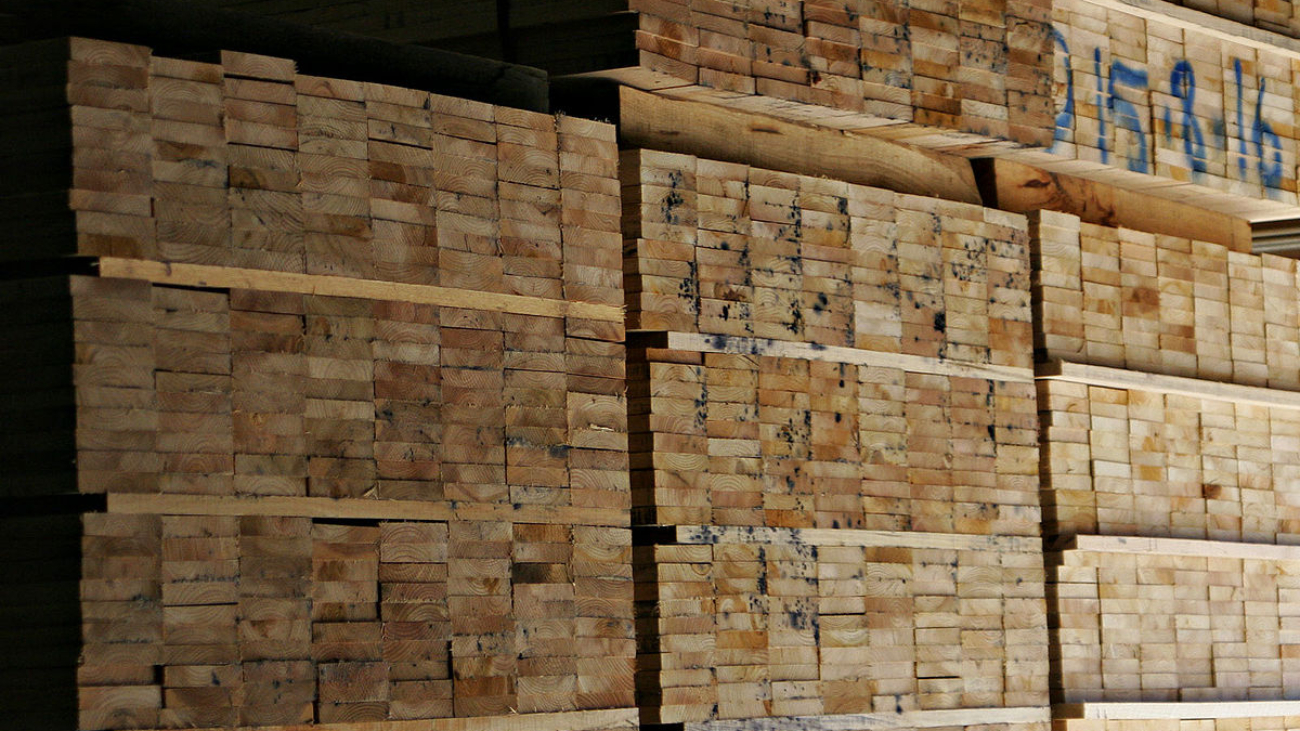
Timber LVL (Laminated Veneer Lumber) formwork represents a crucial advancement in modern construction practices. This engineered wood product consists of multiple layers of thin wood veneers, bonded together under high pressure to create robust structural elements.
Key Features of LVL Formwork
The distinct characteristics of LVL formwork include:
Superior strength-to-weight ratio
Enhanced dimensional stability
Consistent material properties
Reduced warping and twisting
Greater load-bearing capacity
Material quality is a key factor in determining the Timber LVL formwork prices production. High-quality wood veneers are more expensive because they are stronger and have fewer imperfections. These top-notch materials result in LVL formwork that can:
Importance of LVL Formwork in Construction
In construction applications, LVL formwork serves as a temporary structure to shape and support concrete during its curing process. Its precision-engineered nature allows for:
Accurate concrete placement
Clean surface finishes
Reduced material waste
Faster construction timelines
Multiple reuse opportunities
The construction industry relies heavily on LVL formwork for both residential and commercial projects. Its versatility shines in applications such as:
Wall formations
Floor systems
Beam supports
Column structures
Bridge construction
Advantages of Using LVL Formwork
The adoption of LVL formwork has revolutionised construction efficiency, offering builders a reliable solution that combines strength, durability, and cost-effectiveness. Its growing popularity stems from its ability to meet strict building standards while delivering superior performance compared to traditional timber alternatives.
How Does Material Quality Impact Timber LVL Formwork Pricing?
Support heavier loads
Maintain its shape and size over time
Resist bending or twisting
Be reused multiple times
The type of glue used in the layering process also plays a role in pricing. Advanced adhesive technologies provide:
Better protection against moisture
Stronger connections between layers
Greater durability in extreme conditions
Using premium materials usually means an initial investment that is 15-25% higher. This cost difference is justified by the fact that:
“Higher-grade materials might seem expensive upfront, but they reduce long-term costs through extended service life and fewer replacements”
The strength-to-weight ratio of high-quality LVL formwork leads to:
Quicker installation times
Lower labour expenses
Fewer support structures required
Reduced transportation costs
Variations in the quality of raw materials create different pricing levels in the market. A-grade veneers with minimal knots and defects are significantly more expensive than B or C-grade options, which affects the final price of the product. Find more about defects on https://pmc.ncbi.nlm.nih.gov/articles/PMC7647275/
What Role Do Size and Thickness Play in Determining Costs?
Size and thickness specifications directly influence the pricing structure of Timber LVL formwork. The raw material requirements increase proportionally with larger dimensions, driving up production costs.
Standard vs Custom Dimensions
Standard sizes: £15-25 per square metre
Custom dimensions: 30-50% price premium
Extra-large panels: Additional handling charges
Thickness Impact on Pricing
19mm thickness: Base price point
25mm thickness: 25-35% cost increase
32mm thickness: 45-60% cost increase
The manufacturing process becomes more complex with increased thickness, requiring additional lamination layers and extended pressing time. Thicker LVL panels demand more raw materials and energy consumption during production.
Larger dimensions also affect:
Transportation costs
Storage requirements
Installation equipment needs
Labour intensity
Your project specifications might require specific size combinations. A 2400mm x 1200mm panel with 25mm thickness serves as a common industry benchmark, balancing structural requirements with cost-effectiveness.
How Do Supplier Practices and Geographical Location Influence Prices?
Supplier practices create significant price variations in Timber LVL formwork across different regions. Local manufacturers often maintain lower prices due to reduced transportation costs and established supply chains. You’ll notice price differences of 15-30% between metropolitan and regional areas.
Key supplier factors affecting prices:
Direct manufacturing vs third-party sourcing
Storage capacity and inventory management
Bulk purchasing capabilities
Local market competition
Distribution network efficiency
Geographical location plays a crucial role in pricing structures. Remote construction sites face higher costs due to:
Extended shipping distances
Limited supplier options
Additional handling requirements
Regional labour cost variations
Seasonal accessibility challenges
Australian coastal regions typically see lower prices due to proximity to major ports and manufacturing facilities. Inland projects might experience price increases of 20-25% due to transportation costs. Local market dynamics also influence pricing – areas with high construction activity often benefit from competitive supplier pricing and improved availability.
Remote locations with limited access to suppliers might require early ordering and strategic planning to secure reasonable prices. Working with suppliers who maintain multiple distribution centres can help optimise costs across different project locations. Click here to find more about distribution.
What is the Impact of Market Demand and Seasonal Fluctuations on Pricing?
Market demand significantly drives Timber LVL formwork prices in the Australian construction sector. During peak construction seasons, particularly spring and summer, prices can surge by 15-25% due to increased building activity.
Wet Season ImpactReduced timber harvesting capabilities
Limited access to forestry areas
Increased transportation costs
Extended production timelines
Natural EventsBushfires can restrict timber availability
Floods affect manufacturing facilities
Storms disrupt supply chains
Drought conditions impact timber quality
The Australian timber market experiences cyclical demand patterns, with Q4 typically showing highest price points. Natural disasters can trigger immediate price spikes – the 2019-20 bushfires caused a 30% increase in LVL formwork costs across affected regions.
Recent supply chain disruptions have intensified these fluctuations, making it crucial for builders to monitor market trends and adjust procurement strategies accordingly.
Can Bulk Purchasing Strategies Help in Reducing Costs?
Bulk purchasing presents significant cost-saving opportunities for construction companies using Timber LVL formwork. You’ll find substantial price reductions through economies of scale, with suppliers offering tiered pricing structures based on order volumes.
Key benefits of bulk purchasing include:
Price breaks at specific volume thresholds
Reduced shipping costs per unit
Priority access to stock during shortages
Streamlined ordering processes
Long-term supplier contracts unlock additional advantages for your construction projects. These partnerships often include:
Fixed pricing agreements protecting against market fluctuations
Customised payment terms
Dedicated account management
Guaranteed stock availability
Many suppliers offer 5-15% discounts on bulk orders, with additional savings possible through annual supply agreements. Your negotiating power increases with larger order volumes, allowing you to secure better terms and conditions.
Strategic inventory management becomes crucial when implementing bulk purchasing. You’ll need adequate storage facilities and accurate demand forecasting to maximise these cost benefits while avoiding excess stock issues.
Do Technological Advancements in Production Affect Pricing?
Modern manufacturing innovations have changed LVL formwork production, directly affecting pricing structures. Advanced processing technologies, such as automated cutting systems and precision lamination techniques, have made production processes more efficient and reduced labour costs.
Key technological improvements affecting prices:
Computer-controlled manufacturing reduces material waste by up to 25%
Automated quality control systems ensure consistent product standards
Digital design integration optimises material usage
These advancements have a twofold effect on pricing. Upfront costs for implementing these technologies may increase prices, but over time, the efficiency gains will lead to lower production expenses. The introduction of automated stress-grading systems has improved product reliability while reducing the need for manual inspections that require a lot of labour.
The use of advanced application methods for moisture-resistant treatments has improved durability without significant cost increases. This technological progress allows manufacturers to keep their prices competitive while delivering higher quality LVL formwork products.
Recent developments in edge-sealing technologies have improved moisture resistance, reducing the frequency of replacements and providing better value for construction projects. These innovations enable manufacturers to balance their production costs with better product performance, creating sustainable pricing models for the construction industry.
What Role Do Sustainability Practices Play in Influencing Prices?
Sustainable practices in Timber LVL formwork production directly impact pricing structures through multiple channels:
1. Certification Requirements
These certifications add 15-20% to base material costs but provide essential market advantages and environmental benefits.
Forest Stewardship Council (FSC) certification
Programme for the Endorsement of Forest Certification (PEFC)
Chain of Custody documentation
Environmental management systems compliance
2. Sustainable Production Methods
The implementation of eco-friendly production methods requires significant investment in:
Advanced recycling systems
Renewable energy infrastructure
Sustainable harvesting equipment
Staff training programmes
While these sustainable practices increase initial production costs, they create long-term value through:
Enhanced market reputation
Access to green building projects
Compliance with environmental regulations
Reduced waste management expenses
Many construction projects now require certified sustainable materials, making environmental credentials a crucial factor in pricing strategies for Timber LVL formwork manufacturers and suppliers.
Are There Project-Specific Cost Factors to Consider Beyond Material Expenses?
The cost of Timber LVL formwork extends beyond the basic material price. Your project’s specific requirements can significantly impact the total investment needed.
Installation Complexity
Complex architectural designs require specialised cutting and fitting
Skilled workers command higher wages for precise installation
Project timeline affects total labour hours
Safety supervision costs increase with project complexity
Site-Specific Considerations
Limited access areas require special equipment
Remote locations attract higher delivery fees
Storage requirements on cramped sites add costs
Additional Expenses
Equipment rental for installation
Insurance coverage for high-risk installations
Waste disposal and clean-up costs
Quality inspection and certification fees
These project-specific factors can add 20-30% to your base material costs. Understanding these elements helps you create accurate budgets and avoid unexpected expenses during construction.
What Are The Advantages Of Using LVL Formwork Over Traditional Options Despite Initial Cost Differences?
LVL formwork offers significant benefits that outweigh its initial higher investment:
Superior Strength-to-Weight Ratio: LVL formwork is lighter than traditional options, making it easier to handle on construction sites and reducing labour costs during installation.
Enhanced Durability: LVL formwork is resistant to warping and twisting, maintaining dimensional stability and allowing for higher reuse potential (up to 15-20 times).
Moisture Performance: LVL formwork has better resistance to water damage, reducing the risk of concrete surface defects and minimal swelling under wet conditions.
Cost-Effective Long-Term Solution: With lower maintenance requirements, decreased replacement frequency, and reduced waste disposal costs, LVL formwork proves to be a more economical choice in the long run.
Improved Construction Quality: LVL formwork ensures a consistent concrete finish, better dimensional accuracy, and fewer surface repairs needed.
These advantages translate into substantial cost savings throughout the project lifecycle, making LVL formwork a smart investment despite higher upfront costs. The combination of durability, performance, and reduced labour requirements creates value that traditional alternatives struggle to match.
What is LVL Timber and Why is it Important for Formwork in Australia?
LVL (Laminated Veneer Lumber) timber is an engineered wood product that’s changing the way construction is done in Australia. It consists of several layers of thin wood veneers glued together under high heat and pressure, making it incredibly strong.
In formwork applications, LVL timber is used as a key component in concrete casting systems. Here’s why it’s so important:
Supporting wet concrete loads: During the pouring process, LVL timber provides the necessary support for the weight of the wet concrete.
Maintaining dimensional stability: LVL timber is designed to resist warping or bending, ensuring that the formwork stays in its intended shape.
Creating smooth surfaces: The use of LVL timber results in clean and even concrete finishes, eliminating the need for extensive post-construction finishing work.
Providing structural integrity: With its superior strength, LVL timber ensures that the formwork can withstand the forces exerted by the concrete without collapsing.
The Australian construction industry has specific requirements when it comes to formwork materials. They need products that consistently perform well and meet strict safety standards. This is where LVL timber shines: When it comes to the buy LVL timber formwork Australia having verstile choices.
1. Superior Strength Properties
Compared to traditional timber, LVL timber offers significantly higher strength properties:
Up to 2.5 times stronger than regular timber
Enhanced load-bearing capacity
Reduced deflection under pressure
2. Quality Assurance Benefits
LVL timber is manufactured with precision, resulting in consistent quality:
Produced according to exact specifications
Uniform material properties throughout
Predictable performance characteristics
The use of high-quality LVL timber in formwork directly impacts project outcomes. Construction teams rely on its dimensional stability and strength to achieve:
Accurate placement of concrete
Minimized wastage of materials
Increased efficiency in construction processes
Improved safety measures at the workplace
For builders and contractors in Australia, choosing the right type of LVL timber is crucial. It can greatly affect project success, compliance with safety regulations, and overall quality of construction.
How Does LVL Timber Compare to Traditional Materials in Formwork Applications?
LVL timber stands out from traditional formwork materials through its exceptional structural properties and cost-effectiveness. Here’s a detailed comparison of LVL timber against conventional formwork materials:
Strength Characteristics
LVL timber delivers 2.5 times the strength of standard timber
Load-bearing capacity exceeds traditional solid wood by 40%
Maintains structural integrity under high-pressure concrete pours
Resists warping and twisting common in conventional timber
Durability Benefits
Engineered construction prevents splitting and cracking
Uniform density throughout the material
Resistant to moisture-related deterioration
Maintains shape stability across multiple uses
Cost-Efficiency
Higher initial investment offset by extended lifespan
Reduced material waste during installation
Lower labour costs due to easier handling
Fewer replacements needed compared to traditional timber
Performance Advantages
Creates smoother concrete finishes
Allows for precise dimensional control
Supports higher pour rates
Reduces form deflection under pressure
Environmental Impact
Made from sustainable forestry practices
Uses less raw material than solid timber
Reduced waste through longer service life
Lower carbon footprint in transportation due to lighter weight
Practical Applications
Ideal for high-rise construction projects
Perfect for complex architectural designs
Suitable for both vertical and horizontal formwork
Excels in challenging weather conditions
LVL timber’s engineered nature addresses many limitations found in traditional formwork materials. Its consistent quality and predictable performance make it particularly valuable for Australian construction projects where precision and reliability are essential.
The material’s ability to maintain dimensional stability under varying environmental conditions proves particularly beneficial in Australia’s diverse climate zones. You’ll find LVL timber performing exceptionally well from the tropical north to the temperate south, maintaining its structural integrity regardless of location. Learn more about climate on https://salatainstitute.harvard.edu/bringing-climate-change-into-medical-school/
What Are the Key Considerations When Sourcing Quality LVL Timber in Australia?
Sourcing quality LVL timber requires careful attention to specific Australian standards and supplier credentials. The AS/NZS 4357 certification serves as your primary quality indicator when selecting LVL products for formwork applications.
Essential Quality Markers:
Manufacturing compliance with AS/NZS 4357
Third-party certification documentation
Clear grade stamps and product identification
Moisture content specifications
Treatment certificates for termite resistance
Trusted Australian Suppliers
The Australian market features several reputable LVL timber suppliers who maintain strict quality control:
Fushiwood Group – Specialises in engineered wood products with nationwide distribution
Blacktown Building Supplies – Offers extensive LVL inventory with custom sizing options
Tilling Timber – Provides comprehensive technical support and certification
ITI Australia – Known for reliable supply chain and quality assurance
Supply Chain Considerations
Your supplier should demonstrate:
Consistent stock availability
Clear documentation of product specifications
Technical support services
Delivery capabilities to your construction site
Quality control measures throughout storage and transport
Price vs Quality Balance
Quality LVL timber might command higher prices, but consider these factors:
Long-term durability reduces replacement costs
Better performance in high-stress applications
Lower risk of structural failures
Improved workplace safety outcomes
Reduced material waste
Local vs Import Sources
Australian-made LVL products often provide:
Faster delivery times
Better alignment with local building codes
Easier access to technical support
More reliable warranty claims
Simplified compliance documentation
When selecting your supplier, request sample certificates and product specifications. Verify their compliance history and ask about their quality control processes. Direct communication with their technical team helps ensure you receive materials that meet your project’s specific requirements.
Are There Different Sizes and Treatments Available for LVL Timber Used in Formwork?
LVL timber for formwork applications comes in a diverse range of sizes to accommodate different structural requirements. The standard dimensions include:
Common LVL Timber Sizes:
35mm x 145mm
45mm x 195mm
63mm x 240mm
75mm x 300mm
90mm x 400mm
These sizes allow builders to select the most appropriate dimensions based on specific load-bearing requirements and project specifications. Custom sizes can be ordered through specialised suppliers to meet unique project needs.
Treatment Options
H2 and H3 treatments enhance LVL timber’s resistance to termites and decay:
H2 Treatment: Suitable for indoor applications
Protects against borers and termites
Applied through pressure treatment
Ideal for enclosed, protected environments
H3 Treatment: Designed for outdoor exposure
Offers protection against weather elements
Guards against fungal decay
Recommended for exposed formwork applications
The treatment process involves pressure-impregnating the timber with preservative chemicals that penetrate deep into the wood structure. This creates a long-lasting barrier against pest infestation and decay. Click here to find more about decay.
Specialised Coatings
Additional protective measures include:
Water-repellent sealants
UV-resistant finishes
Anti-fungal treatments
Fire-retardant coatings
These treatments extend the lifespan of LVL timber formwork while maintaining its structural integrity. The choice of treatment depends on:
Project location
Environmental conditions
Expected duration of use
Budget constraints
Specific building regulations
Australian standards require treated LVL timber to meet strict quality control measures, ensuring consistent performance across different applications. Each piece carries identification marks indicating its treatment level and compliance with relevant standards.
How is High-Quality LVL Timber Manufactured and What Quality Control Measures Are Implemented?
The manufacturing process of LVL timber involves precise steps and rigorous quality control to ensure superior strength and durability for formwork applications.
Logs must meet specific diameter, length, and defect-free requirements
Australian standards compliance verification at every stage
Manufacturing Steps
1. Log Preparation
Debarking of logs using specialised equipment
Initial moisture content testing
Cross-cutting to required lengths
2. Veneer Production
Rotary peeling of logs into thin veneers
Automated thickness monitoring
Immediate defect detection and removal
3. Drying Process
Computer-controlled drying chambers
Moisture content reduction to 8-12%
Temperature and humidity monitoring
4. Adhesive Application
Phenol formaldehyde resin coating
Uniform adhesive distribution
Thickness control systems
5. Pressing and Bonding
Hot pressing at specific temperatures
Pressure application for optimal bonding
Automated press cycle monitoring
Quality Control Measures
Laboratory Testing
Bend strength verification
Shear strength assessment
Delamination resistance checks
Production Line Controls
Real-time density monitoring
Continuous moisture content tracking
Automated visual inspection systems
The manufacturing facility maintains strict environmental controls throughout the process. Each batch undergoes testing to verify compliance with AS/NZS 4357 standards. Modern facilities employ automated scanning technology to detect internal defects and ensure consistent quality across production runs.
Australian manufacturers implement comprehensive tracking systems, allowing full traceability from raw material to finished product. This ensures every piece of LVL timber meets the demanding requirements of formwork applications.
Which Industries Use LVL Timber for High-load Bearing Formwork?
LVL timber’s exceptional strength-to-weight ratio makes it a preferred choice across multiple construction sectors requiring robust formwork solutions. The building and construction industry relies heavily on LVL timber formwork, particularly in:
1. High-Rise Construction
Commercial office towers
Residential apartment complexes
Mixed-use developments
Hotel construction projects
2. Industrial Applications
Manufacturing facilities
Distribution centres
Cold storage warehouses
Processing plants
3. Infrastructure Projects
Bridge construction
Underground parking structures
Transport terminals
Water treatment facilities
The versatility of LVL timber shines in projects demanding precise concrete placement and superior load-bearing capacity. In high-rise construction, LVL formwork supports massive concrete loads while maintaining dimensional stability across multiple floor levels. Industrial warehouse projects benefit from LVL’s ability to create large, uninterrupted spans essential for wide-open spaces.
The material’s adaptability extends to specialised construction applications:
Curved architectural features
Complex geometric designs
Multi-level parking structures
Heavy-duty foundation work
Australian builders particularly value LVL timber in challenging environmental conditions, where its resistance to warping and splitting ensures reliable performance in both coastal and inland construction sites.
Where Can You Buy Quality LVL Timber for Formwork Projects in Australia?
Quality LVL timber for formwork projects is readily available through multiple channels across Australia. Here’s where you can source your materials:
ITI Australia – Specialising in engineered wood products
Blacktown Building Supplies – Sydney metro area
Carter Holt Harvey – National distribution network
2. Specialist Timber Suppliers
Austim – Perth-based with national delivery
Tilling Timber – Melbourne headquarters, Australia-wide service
Meyer Timber – Multiple branches across major cities
3. Online Marketplaces
BuildMate – Digital platform for construction materials
TradeSquare – B2B marketplace with verified suppliers
Industry Connect – Bulk ordering platform
Many suppliers offer both click-and-collect and delivery services. You can request detailed product specifications, certifications, and technical support through these channels.
Buying Tips
Request compliance certificates for Australian standards
Compare prices across multiple suppliers
Check stock availability before placing large orders
Verify warranty terms and delivery timeframes
Ask about bulk purchase discounts
Inspect the timber quality in person when possible
Contact suppliers directly for current pricing and availability, as stock levels can fluctuate based on market demand.
For business owners, navigating the complex landscape of commercial law can be daunting. Understanding the role of a commercial lawyer is essential for ensuring that your business operates within the legal framework while maximising opportunities for growth and success. This guide provides a comprehensive overview of what a commercial lawyer does, the services they offer, and how they can be invaluable to your business.
Understanding Commercial Law
Commercial law, also known as business law, encompasses a wide range of legal issues that affect businesses. It includes regulations governing contracts, sales, business transactions, and the rights and obligations of businesses and individuals engaged in commerce. A commercial lawyer specialises in these areas, providing legal advice and representation to ensure compliance with the law.
Commercial law is not just about litigation; it also involves advisory services that help businesses navigate the complexities of legal obligations. This can include everything from drafting contracts to negotiating terms and resolving disputes. Understanding the nuances of commercial law can significantly impact a business’s operations and overall success.
Key Responsibilities of a Commercial Lawyer
Commercial lawyers perform a variety of functions that are crucial for the smooth operation of a business. Their responsibilities can be broadly categorised into several key areas:
1. Contract Drafting and Review
One of the primary roles of a commercial lawyer is to draft, review, and negotiate contracts. Contracts are the backbone of business transactions, and having a well-drafted contract can prevent disputes and protect your interests. A commercial lawyer ensures that contracts are legally sound, clear, and enforceable.
They also help identify potential risks and liabilities within contracts, advising business owners on how to mitigate these risks. This includes understanding terms related to payment, delivery, warranties, and dispute resolution. A thorough review by a commercial lawyer can save businesses from costly legal battles in the future.
2. Business Formation and Structuring
When starting a new business, choosing the right legal structure is crucial. Commercial lawyers assist business owners in deciding whether to establish a sole proprietorship, partnership, limited liability company (LLC), or corporation. Each structure has different legal implications, tax obligations, and levels of personal liability.
A commercial lawyer can guide you through the registration process, ensuring compliance with local laws and regulations. They also help in drafting foundational documents such as articles of incorporation, partnership agreements, and operating agreements, which are essential for the legal operation of the business.
3. Regulatory Compliance
Businesses must comply with a myriad of regulations, including those related to employment, health and safety, environmental protection, and consumer rights. A commercial lawyer helps ensure that your business adheres to these regulations, reducing the risk of legal penalties and enhancing your reputation.
They can conduct compliance audits, provide training for employees, and develop policies that align with legal requirements. Staying compliant not only protects your business from legal issues but also fosters trust with customers and stakeholders.
4. Dispute Resolution and Litigation
Despite best efforts, disputes can arise in any business. Commercial lawyers are equipped to handle disputes through negotiation, mediation, arbitration, or litigation. They work to resolve conflicts efficiently, aiming to minimise disruption to your business operations.
In the event that litigation is unavoidable, a commercial lawyer will represent your interests in court, presenting evidence and arguments to support your case. Their expertise in commercial law ensures that you have a strong advocate fighting for your rights.
Why Business Owners Need a Commercial Lawyer
Engaging a commercial lawyer is not just about addressing legal issues as they arise; it is about proactive risk management and strategic planning. Here are several reasons why business owners should consider hiring a commercial lawyer:
1. Expertise in Legal Matters
Commercial lawyers possess specialised knowledge and experience in business law. Their expertise allows them to navigate complex legal issues that may be outside the scope of a business owner’s understanding. This can lead to better decision-making and more effective strategies for growth.
2. Protection of Business Interests
By having a commercial lawyer on your side, you ensure that your business interests are protected. They can identify potential legal pitfalls and advise on how to avoid them, safeguarding your assets and reputation. This protective layer can be invaluable in maintaining the longevity and success of your business.
3. Strategic Business Advice
Commercial lawyers do not just react to legal problems; they provide strategic advice that can help shape the direction of your business. Whether it’s advising on mergers and acquisitions, intellectual property issues, or international trade regulations, their insights can inform critical business decisions. Click here to learn about Insolvency Lawyers Canberra: local support for debt and liquidation issues.
4. Cost-Effectiveness
While hiring a commercial lawyer involves upfront costs, it can be a cost-effective decision in the long run. By preventing legal disputes, ensuring compliance, and providing sound advice, a commercial lawyer can save your business significant amounts of money that might otherwise be spent on litigation or fines.
Choosing the Right Commercial Lawyer
Finding the right commercial lawyer is crucial for your business’s success. Here are some factors to consider when selecting a legal partner:
1. Specialisation and Experience
Look for a lawyer who specialises in commercial law and has experience relevant to your industry. Their familiarity with the specific legal challenges you may face can provide a significant advantage.
2. Reputation and References
Research the lawyer’s reputation within the business community. Seek references from other business owners or check online reviews. A lawyer with a strong track record of success and satisfied clients is more likely to meet your needs effectively.
3. Communication Skills
Effective communication is key to a successful lawyer-client relationship. Choose a lawyer who is approachable, listens to your concerns, and explains legal concepts in a way that you can understand. This will ensure that you are always informed and involved in the decision-making process.
4. Fees and Billing Structure
Understanding the lawyer’s fee structure is essential. Some lawyers charge hourly rates, while others may offer fixed fees for specific services. Ensure that you have a clear understanding of costs upfront to avoid any surprises later on.
Conclusion
A commercial lawyer plays a vital role in the success of a business by providing essential legal services that protect interests, ensure compliance, and facilitate growth. From contract drafting to dispute resolution, their expertise can help navigate the complexities of commercial law effectively.
For business owners, investing in a commercial lawyer is not just a legal necessity; it is a strategic decision that can lead to long-term success and sustainability. By understanding the role of a commercial lawyer and choosing the right one for your business, you can focus on what you do best—running and growing your business.